

Features of International Transportation in the EU

Logistics in the European Union covers dozens of countries with different transport networks. Its functioning is based on strict standards of transportation quality and a well-developed infrastructure.
Understanding the processes of international transportation helps companies engaged in export and import in the EU reduce their costs. It also makes it possible to avoid delays caused by customs procedures and document processing.
Main Requirements for International Transportation in the EU
The rules for delivering goods in the EU are determined by general standards:
- compliance with established transportation regulations;
- adherence to transit rules between countries;
- conformity of cargo with technical and sanitary requirements;
- availability of complete documentation;
- control over the origin of goods.
These conditions create a stable foundation for international transportation between EU member states and third countries.
Customs Procedures and Required Documents
Although a simplified system for the movement of goods operates within the European Union, customs authorities are still responsible for their clearance during import and export.
International freight transportation through the EU requires the availability of an appropriate set of documents:
- Invoice. Used for accounting, payment calculation, and during customs control.
- Packing list. Details the packaging and quantity of goods, helping customs authorities verify the contents.
- Transport document (CMR, bill of lading, etc.). Records the route, carrier responsibility, and delivery terms.
- Certificates of conformity. Confirm that products meet the technical and sanitary standards of the destination country.
- Customs declarations. Required for cargo clearance at the border and for calculating customs duties.
Changes in customs rules occur constantly through the digitalization of processes. For example, electronic systems for advance cargo declaration are being introduced, which reduce waiting time at the border and minimize the risk of documentation errors.
Ekol specialists believe that careful preparation of the document package is essential for the fast completion of customs procedures.
Types of Transport for International Transportation
The specifics of cargo transportation in Europe largely depend on the chosen mode of transport.
| Type of transport | Its features |
| Road | Flexible routes and prompt delivery directly to the destination. |
| Rail | Most efficient for transporting large volumes over long distances. |
| Sea | The main method of intercontinental transportation. |
| Air | The fastest transport option, relevant for urgent or valuable goods. |
Each shipment is a separate task. To choose the most suitable method, all characteristics of a specific cargo are taken into account.
Tariff and Non-Tariff Barriers
Within the EU, a unified tariff policy is in place. It creates standardized trading conditions between member states. However, when entering other markets, enterprises primarily face customs tariffs. These are direct additional costs arising during the import or export of goods, and they are relatively easy to calculate in advance.
A much more complex group consists of non-tariff barriers. They are less transparent, vary significantly depending on the partner country, and often become the main cause of delays in international shipments.
These include:
| Quotas | Set limits on the volume of goods that can be supplied to certain markets. |
| Technical and environmental standards | Regulate product safety and environmental impact. |
| Certification requirements | Confirm compliance with the standards of a specific market. |
| Product quality control | Critical for food products and chemicals. |
| Sanitary regulations and quarantine | Regulate product safety from a health and phytosanitary perspective. |
According to leading Ekol specialists, non-tariff barriers most often affect the timelines of international deliveries. Therefore, addressing them in advance is an integral part of a logistics strategy.
Safety and Environmental Standards
European transportation standards pay great attention to environmental protection and safety. This is reflected in how logistics is organized.
Each vehicle must comply with CO₂ emission standards and undergo regular technical inspections. Drivers are required to adhere to working time regulations. This is not just a formality, but an important condition for safety along the route.
The transportation of hazardous goods is regulated by separate rules. The entire supply chain is under constant monitoring to ensure that the cargo reaches its destination without damage.
Challenges in International Transportation in the EU
Despite the high level of development, international logistics in Europe faces a number of challenges:
- Infrastructure congestion, especially in ports and on key routes.
- Document inspections and quarantine may delay cargo at customs.
- Environmental and safety laws change regularly.
- Tariffs and additional charges increase transportation costs.
The route also directly depends on the type of cargo and the congestion of transport routes, which must always be taken into account.
Modern Technologies in Transportation
Thanks to the implementation of innovations, international cargo delivery is becoming more flexible and faster.
Technologies in logistics include:
- Real-time cargo tracking systems, which make it possible to monitor the movement of goods at all stages of the supply chain.
- Automation of document flow, allowing invoices, waybills, and customs declarations to be processed.
- Analytics for route optimization, helping to choose the most cost-effective and fastest delivery routes.
The active use of artificial intelligence for demand forecasting contributes to rapid responses to market changes.
Conclusion
The features of international transportation in the EU are determined by unified standards and a well-developed infrastructure. It is important for companies to consider every step, from customs clearance to the choice of transport. Properly organized logistics helps not only to save costs but also to deliver cargo on time.
FAQ
How are customs rules changing in international transportation in the EU?
They are gradually being simplified through the digitalization of processes. Electronic systems for advance declaration are being introduced, and paper documentation is being reduced. This simplifies transit and cargo clearance.
What are the main difficulties in transporting goods in Europe?
Delays may occur at customs due to inspections and quarantine. Different regulations across countries also have an impact. Congested routes and ports affect delivery times as well.
How to choose the optimal transport for international transportation?
The choice depends on cargo characteristics, budget, and the availability of appropriate infrastructure. For timely delivery, a combination of different modes of transport is often used.
What safety and environmental standards must be considered in international transportation in the EU?
It is necessary to comply with requirements regarding the technical condition of transport, CO₂ emission limits, and rules for transporting hazardous goods. It is also important to establish drivers’ working time regulations.
read more
Similar articles
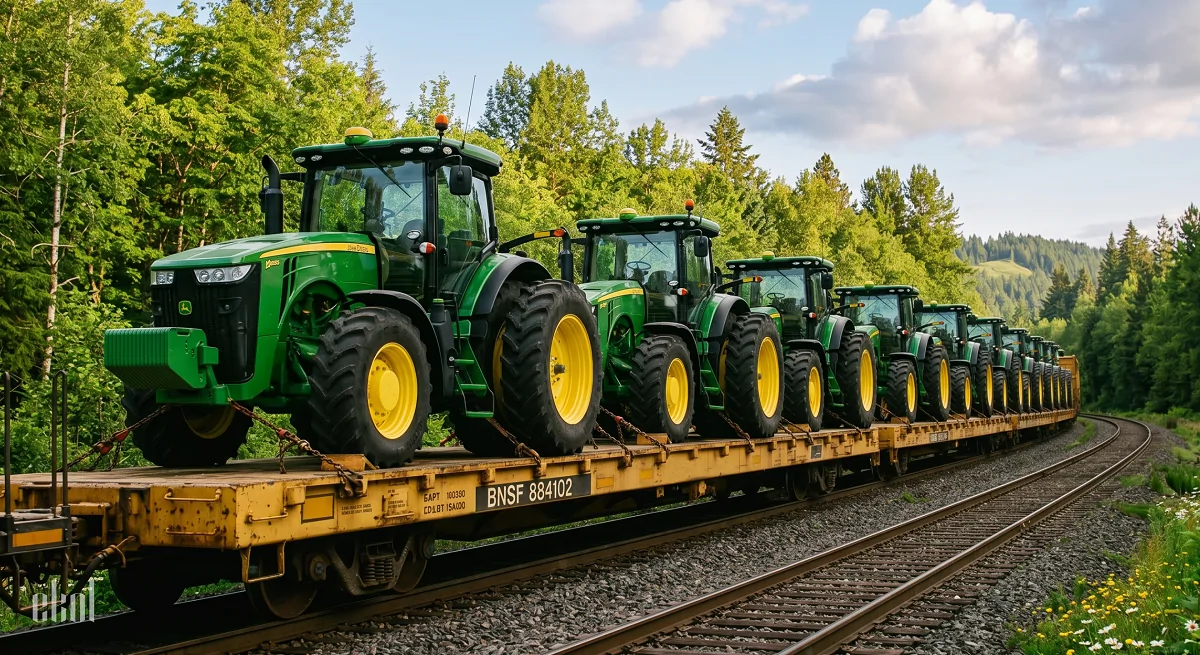
Proper tractor transport across Ukraine starts with assessing the machine’s dimensions and selecting the right type of transport. This approach helps avoid fines and delays along the route.
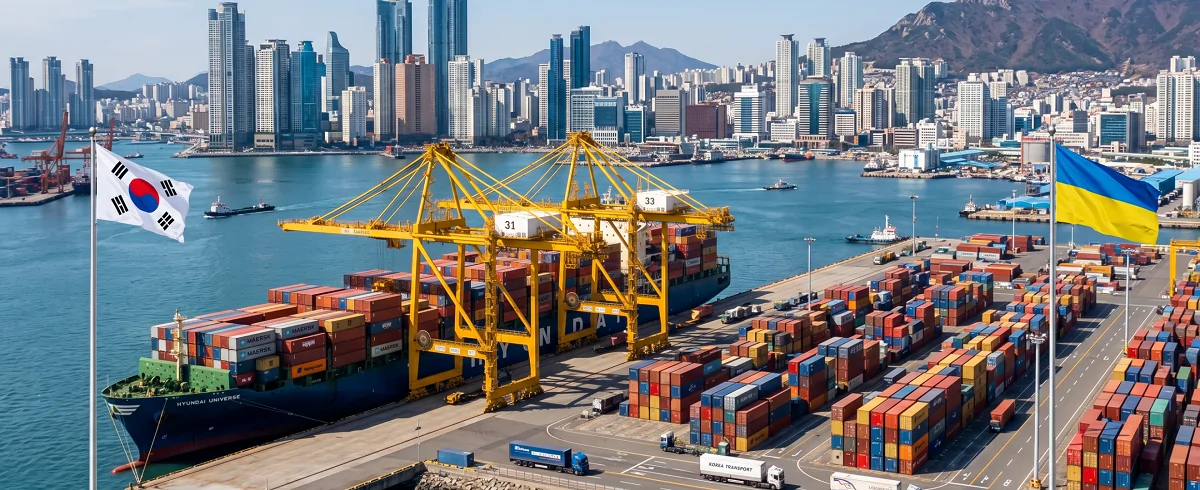
For years, the domestic market relied on purchases from the PRC, but the era of Chinese factory monopoly is gradually coming to an end. Entrepreneurs are turning to other Asian countries, weighing product quality and partner reliability.
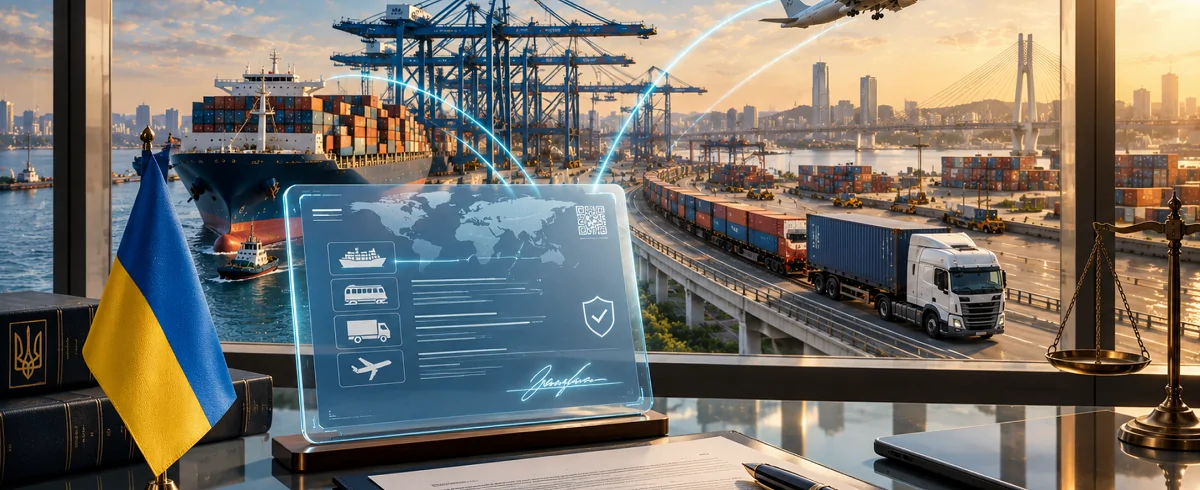
Back in 2021, Ukrainian legislation officially regulated the delivery scheme in which several modes of transport are combined for a single route.
For a business, a logistics company is one reliable partner instead of a dozen separate contractors. It handles communication with carriers and quickly resolves force-majeure situations on the road

Without reliable delivery, a farmer’s harvest won’t reach the market on time. A logistics company for a farmer is not just a service provider — it’s a partner on whom the financial outcome of the season depends.
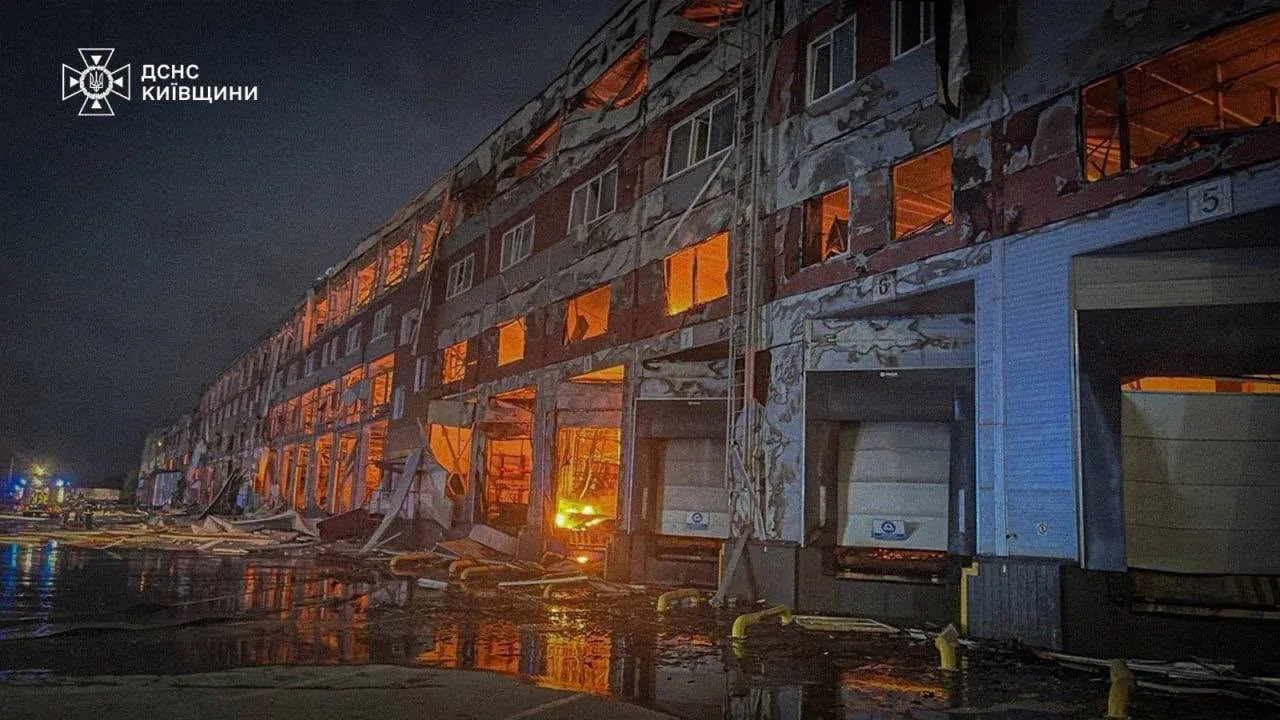
On the night of July 19, 2026, a massive missile attack severely damaged the Ekol Logistics distribution center located in the AMTEL logistics complex.

Anna
Business development manager

Volodymyr
Business development manager

Artur
Business Development Manager
