

Logistics for Online Stores: How to Scale Delivery


Customers of online stores are accustomed to receiving their goods quickly and without unnecessary complications. That is why, for an online business, it is important not only to sell, but also to properly organize delivery. Because of this, many entrepreneurs think about how to organize logistics for an online store so that orders are processed quickly, and customers remain satisfied with the service.
Successful companies implement automation of logistics processes, integrate warehouse management systems, and cooperate with professional operators. Such an approach makes it possible to build efficient logistics capable of supporting business growth.
What Logistics for Online Stores Is
This is a set of processes related to the movement of cargo from the warehouse to the buyer. The convenience of supplying goods to the end consumer largely depends on the organization of these operations.
Effective logistics helps to:
- quickly process orders;
- reduce transportation costs;
- plan transportation routes;
- conveniently track shipments;
- increase the level of service for customers;
- reduce the number of errors during picking and packaging.
In addition, well-organized logistics processes allow a business to better manage inventory.
Specialists at Ekol believe that logistics is a strategic tool for scaling a business in e-commerce.
Main Stages of Logistics in E-commerce
Work with order delivery in an online store consists of several sequential stages, each of which affects the quality of service.
| Stage | Process Description | Main Tasks |
| Receipt of goods | Arrival of products at the warehouse. | Inventory, inspection. |
| Warehousing | Placement in the warehouse. | Space optimization, accounting. |
| Order processing | Picking of goods. | Order assembly, packaging. |
| Dispatch | Transfer of goods to the carrier. | Documentation processing. |
| Delivery | Transportation. | Routes, couriers, tariffs. |
| Tracking | Control of movement. | Customer notifications. |
At each stage, process automation, integration of warehouse systems with the online store platform, and continuous monitoring of operations play an important role. This creates a stable and transparent logistics process.
Delivery Problems During Online Store Growth
An increase in the number of sales creates an additional load on all departments. If logistics is not adapted to such changes, this may lead to a decrease in service quality.
When a business begins to scale, the following problems often arise:
- it becomes more difficult to control order processing and shipment of goods;
- carrier tariff costs increase;
- warehouse and inventory management become more complicated.
Without proper organization of logistics processes, a company may lose some customers due to delays or errors. That is why the question of how to scale delivery for e-commerce becomes one of the main issues for the development of an online store.
How to Prepare Logistics for Scaling
To ensure stable operation, companies need to adapt their logistics infrastructure in advance.
Main steps:
- Analysis of current logistics processes;
- Optimization of warehousing and routing.
- Integration of CRM, ERP, and warehouse systems.
- Automation of order processing.
- Cooperation with several logistics partners for stable operation.
It is necessary to determine in advance how to optimize the delivery of an online store in order to simultaneously reduce costs and accelerate the shipment of goods.
The Role of Warehousing and Fulfillment in Scaling Delivery
The accuracy and timeliness of order fulfillment depend on how properly warehouse processes are organized. When the number of sales increases, it is important that the warehouse is capable of handling the increased workload.
In such cases, companies often use fulfillment – a set of logistics services that includes:
- receipt of goods;
- warehousing;
- inventory;
- order picking;
- packaging;
- shipment.
According to specialists at Ekol, fulfillment allows e-commerce companies to fully focus on sales and marketing, since all operational logistics is transferred to a professional partner.
| Advantages of Fulfillment | Description |
| Fast order processing | Automated order picking. |
| Cost reduction | Rational use of warehouse space and personnel. |
| Scaling | Access to ready logistics infrastructure. |
| Inventory control | Regular inventory of goods. |
Thanks to fulfillment, online stores can scale without significant expansion of their own resources.

Automation of Logistics Processes
Logistics for online stores is practically impossible without automation, which covers various stages of the process.
Many e-commerce companies implement such digital tools as:
- WMS warehouse management systems.
- Automatic order processing.
- Integration with marketplaces and CRM.
- Real-time tracking systems.
- Transportation route optimization..
With the implementation of automated systems, online stores can respond faster to changes in demand and maintain a stable level of service.
Choosing a Logistics Partner for E-commerce
Properly built logistics for the growth of an online store involves cooperation with professional operators.
When choosing a company, it is worth paying attention to several factors:
- The possibility of transporting goods to different regions or countries.
- The time of order processing and transfer for delivery.
- Stability of operations and compliance with deadlines.
- A transparent transportation pricing system.
- Connection of logistics services to CRM or management systems.
- Availability of warehousing services, fulfillment, or contract logistics.
For example, between regions, an effective solution may be LTL delivery. This is the transportation of consolidated cargo, when goods from different senders are transported together. This format is often used by companies that send small batches of goods to different cities.
International Logistics for Online Stores
If an e-commerce business enters international markets, logistics becomes even more complex. There is a need for customs clearance, tariff management, and control of deadlines.
In the case of small batches of goods, the optimal solution is LCL delivery – transportation of consolidated containers. This allows online stores to launch sales abroad without large logistics costs.
Typical Mistakes When Scaling Logistics
During business expansion, many companies make the same mistakes. The most common of them are:
- lack of automation;
- inefficient warehousing system;
- insufficient number of carriers;
- lack of system integration;
- incorrect routing.
To avoid these problems, it is necessary to invest in process optimization in a timely manner.
FAQ
How to organize logistics for an online store?
For this, it is necessary to:
- Set up warehouse processes.
- Integrate an order management system.
- Choose carriers.
- Optimize routes.
- Connect a shipment tracking system.
Should an online store cooperate with several carriers?
This can be beneficial because it:
- reduces the risks of delivery delays;
- provides the opportunity to choose more favorable tariffs;
- ensures greater flexibility when shipping to different regions.
How does logistics affect the customer loyalty of an online store?
If orders arrive on time and customers can track their status, this increases trust in the store. As a result, the likelihood of repeat purchases also increases.
read more
Similar articles
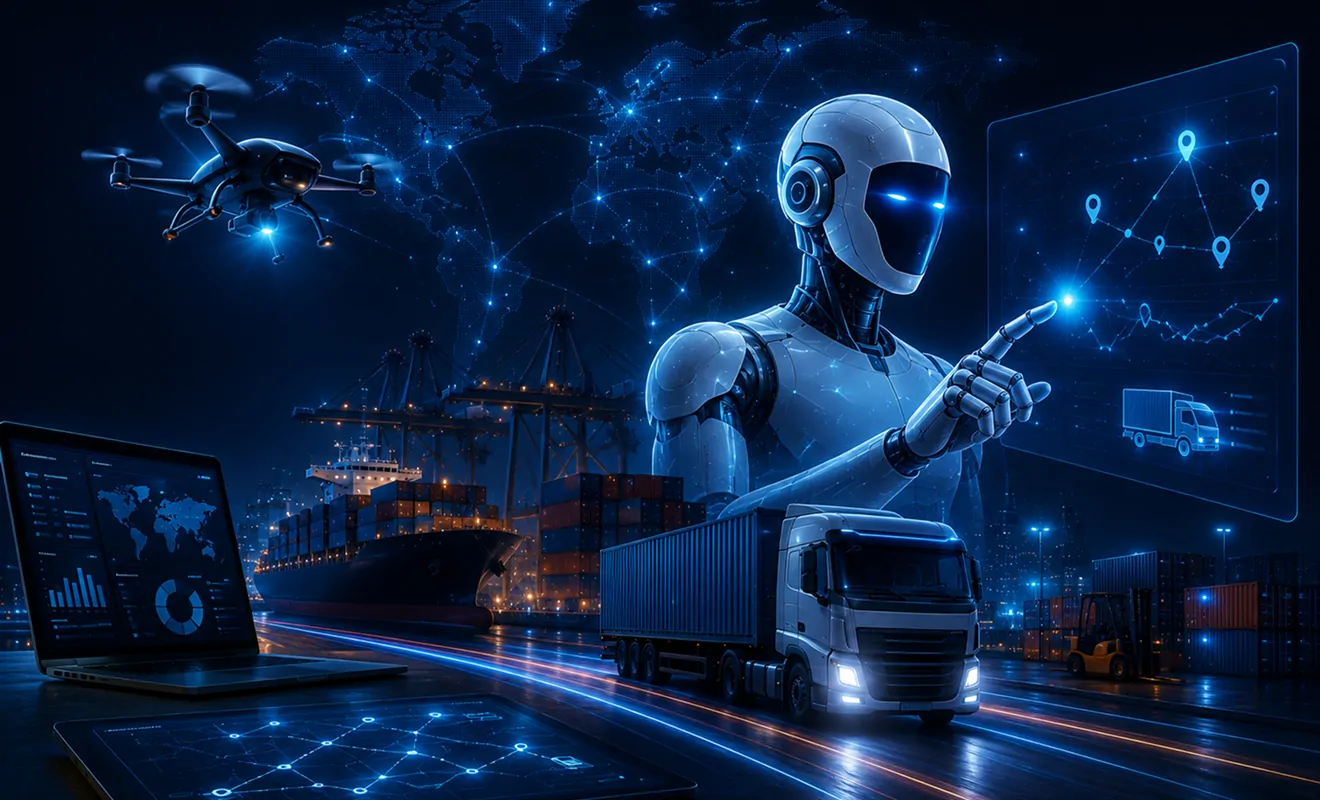
Just a few years ago, a dispatcher would spend an hour on a single request. Today, AI agents in logistics accomplish the same task in minutes – without phone calls or errors.
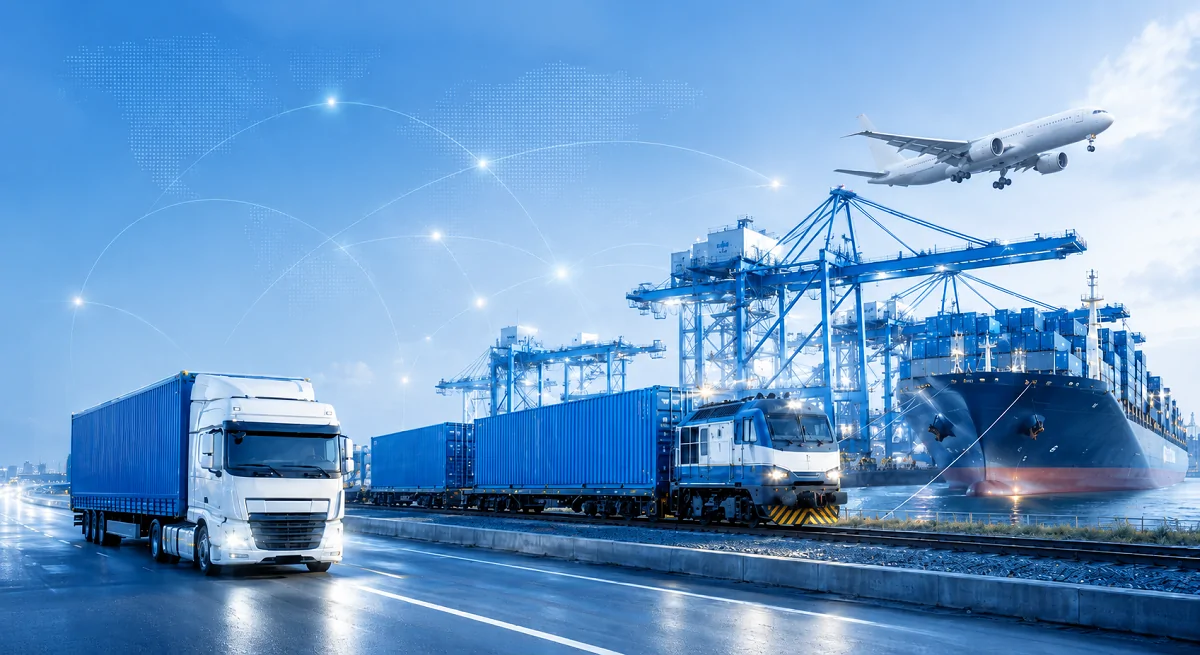
Imagine: you need to deliver cargo from Kharkiv to Warsaw. By truck – it’s slow and expensive due to border queues. By rail alone – there’s no direct connection to the consignee’s warehouse

Logistics in the European Union covers dozens of countries with different transport networks. Its functioning is based on strict standards of transportation quality and a well-developed infrastructure.
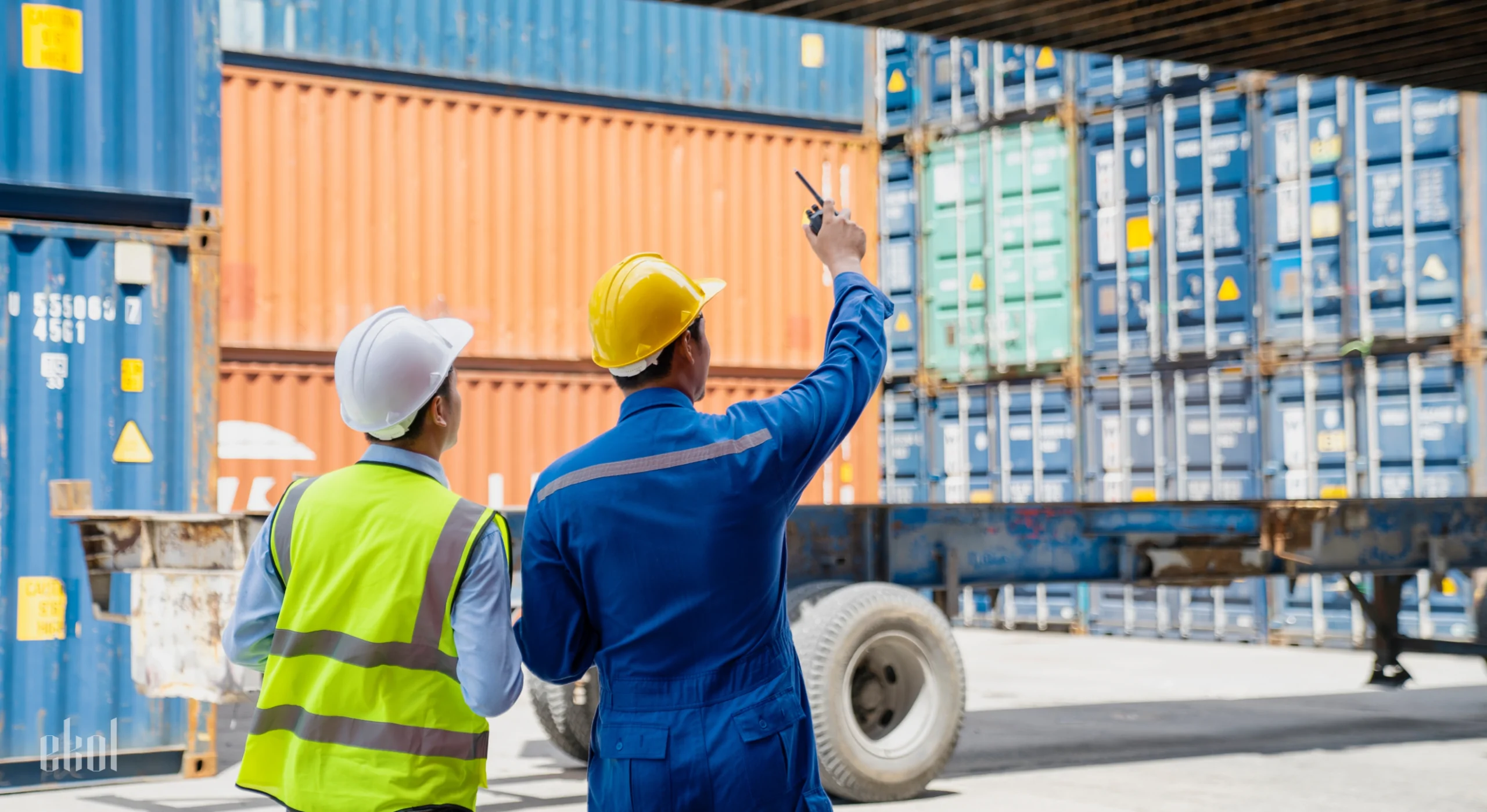
Logistics is often accompanied by delays at the border, unstable customs operations, and changes in export and import regulations
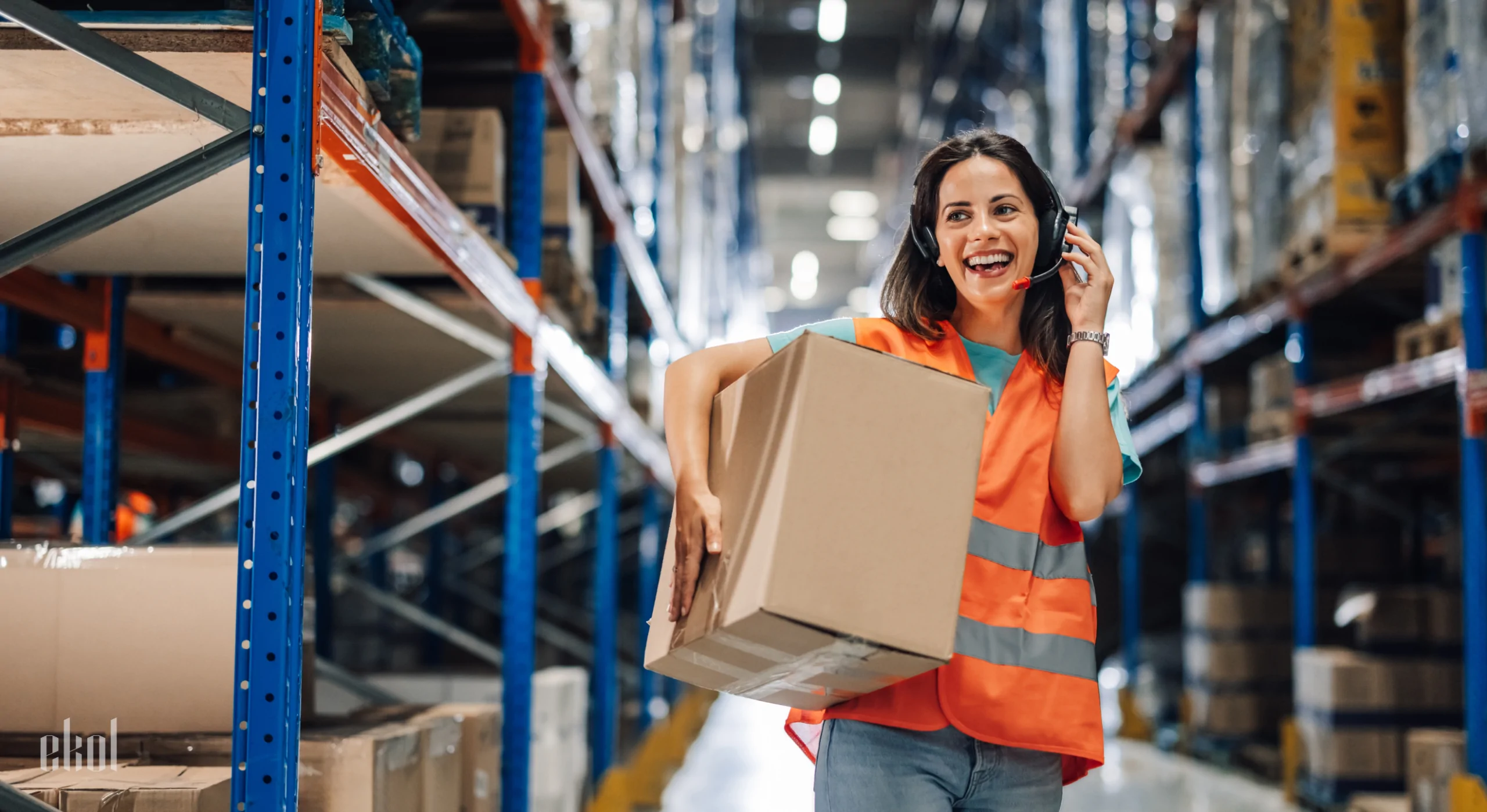
The growth of e-commerce is forcing companies to seek optimal solutions for rapid order fulfillment and reduced operating costs.

Online cargo tracking is one of the most critical aspects of transportation automation. Thanks to modern tracking systems, it is easy to find out in real-time exactly where a shipment is located, its estimated delivery time, and whether there are any delays.

Anna
Business development manager

Volodymyr
Business development manager

Artur
Business Development Manager
