

Choosing transport for logistics and delivery: what will be relevant in 2026

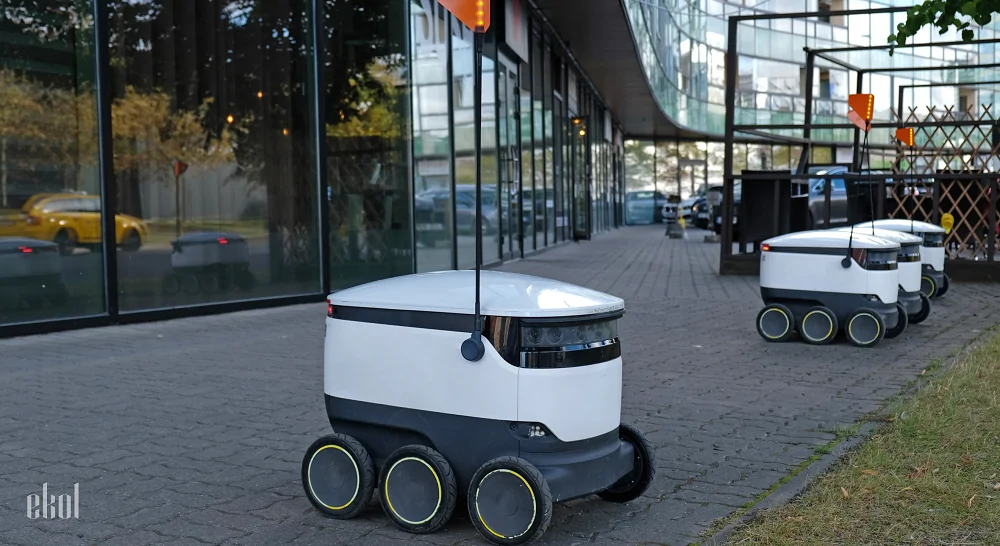
The world of logistics is currently undergoing a significant transformation, and the coming year will be a turning point for business. Companies are increasingly reviewing their approaches to delivery and transportation, focusing not only on price, but also on speed, ecology, and efficiency. That is why the question of which transport to choose for delivery in 2026 comes to the fore.
For companies seeking growth, it is important to understand how distribution will change and what solutions will ensure the stability of supply chains. This will allow them to adapt to new market conditions and build a flexible development strategy that can respond to customer challenges and expectations.
Key factors in choosing transport in 2026
Ekol experts note that the process of choosing logistics transport in 2026 is shaped by several factors at once. Companies analyze not only direct costs, but also strategic benefits.
Main criteria:
- speed of order fulfillment;
- cargo security level ;
- flexibility of routes ;
- sustainability principles ;
- process optimization possibilities.
Together, they determine how efficient the transportation is for delivery and whether it meets business goals.
Road transport: prospects and limitations
This logistics transport will be the basis of domestic distribution in 2026. Its main advantage is access to any infrastructure and the adaptability of routes.
| Motor transport prospects | Limitations and challenges |
| Fleet renewal and transition to electric vehicles | Rising costs of fuel and energy |
| High flexibility of routes and the possibility of door-to-door delivery | Shortage of qualified drivers |
| Development of transport management systems and digitalization of processes | Traffic restrictions in large cities and ecozones |
| Rapid adaptation to changes in demand and e-commerce | Higher operating costs compared to rail for long distances |
| Integration into multimodality of logistics chains | Dependence on the condition of the road infrastructure |
| Increasing safety through telematics and monitoring | Increasing environmental requirements and regulatory pressure |
| The potential for implementing semi-autonomous solutions | Limited autonomy of fully driverless trucks |
Fleets are being actively modernized, electric vehicles are emerging, and the delivery of goods in 2026 is increasingly based on smart planning.
Ekol specialists emphasize that the efficiency of road transportation directly depends on route optimization, investments in technology, and compliance with modern environmental and safety requirements.
Railway transportation in modern logistics
Railway logistics transport in 2026 is a strategic pillar for medium and large-volume cargo. Advantages of the direction:
- optimal costs for long distances;
- safe delivery of cargo;
- support for multimodal schemes.
Green logistics plays a special role here, as rail has a lower carbon footprint. It allows companies to reduce their negative environmental impact without losing stability and capacity.
Maritime Logistics Transport in 2026 and Global Supply Chains
Sea shipping will remain the main mode of international cargo transportation. Advantages:
- Cost-effective for large volumes of cargo.
- Ability to transport oversized and non-standard cargo.
- Stability and predictability of schedules.
- Support for integration into multimodal routes
- Reducing overall transportation costs.
- Less impact on the environment.
Sea transportation allows businesses to integrate large volumes of cargo into an overall logistics scheme.
Air logistics for fast deliveries
When speed is the priority, air logistics has no alternative. It is ideal for valuable and urgent cargo.
Despite high costs, air delivery will remain part of the premium services strategy in 2026.
Multimodal transportation as the optimal solution
Combining multiple modes of transport is becoming the standard. It is multimodality that allows you to achieve a balance between price and time.
Advantages:
- adaptive routes ;
- risk reduction;
- increased efficiency.
Using different approaches allows businesses to combine the strengths of disparate modes of transport, resulting in optimized logistics and guaranteed on-time delivery.
Ecological logistics transport in 2026 and the requirements of sustainable development
Reducing emissions is a necessity for modern companies. Electric vehicles and new approaches to management are being introduced. The automation of transport processes plays a key role, helping to reduce resource consumption. This is shaping a new culture of responsible delivery.
The role of digital technologies in transport choice
Digitalization helps plan routes and analyze risks. Businesses gain full transparency of processes.
Main directions:
- fleet management systems;
- cost analytics;
- delay prediction.
Such innovations will directly impact logistics transport in 2026.
The impact of e-commerce on transport logistics
The growth of online commerce in recent years has changed the rules of the game for logistics. Companies have to respond quickly to changing demand and ensure prompt delivery. Today’s customers expect their orders to arrive on time, without errors, and to be convenient to receive.
Autonomous and electric transport in logistics
Driverless logistics transport, and electric vehicles reduce dependence on the human factor. The main element is the automation of transport processes, which increases the level of safety and stability.
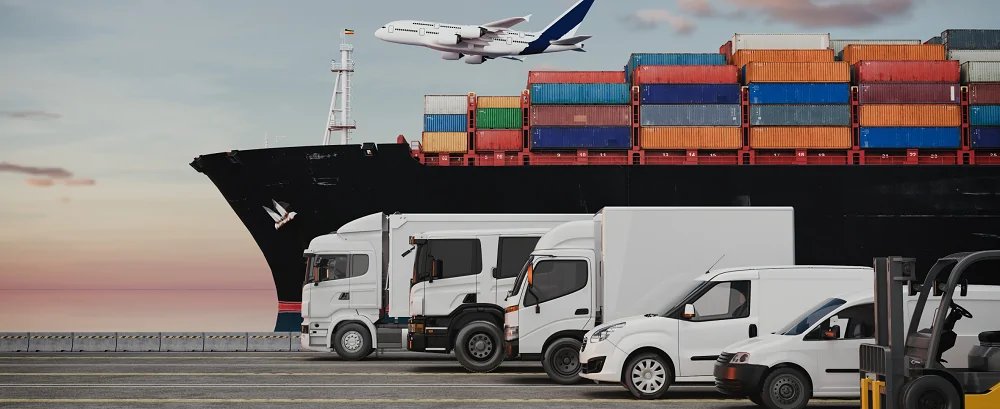
Comparing the costs and efficiency of different modes of transport
Each type of transport has its own economics. The choice depends on distance, urgency, and volume.
| Type of transport | Costs | Efficiency |
| Automobile | Optimal for short routes; costs increase over long distances | Adaptive routes , fast delivery |
| Railway | Economical for large volumes and long distance transportation | Stability, predictability, smaller carbon footprint |
| Air | The most expensive, but necessary for urgent cargo | Maximum speed and reliability |
The Ekol team emphasizes that by combining logistics transportation in 2026, companies can achieve high efficiency and optimize delivery processes.
Risks and safety of transportation
In 2026, risk management is taking on a new level. Data, monitoring, and control reduce losses. Delivery becomes a key factor in a competitive environment. Customers expect choice, reliability, transparency, and environmentally friendly solutions. Supply chains must be resilient even in the face of unexpected shocks.
Trends and forecasts for the development of transport logistics
Trends include green logistics and full process optimization using artificial intelligence. Digital platforms are expected to be implemented to monitor routes and costs, as well as the use of analytics to forecast demand and manage inventory. Significant attention will continue to be paid to energy efficiency in transport and to reducing the carbon footprint.
Conclusions and recommendations for business
Ekol specialists advise modernizing logistics transport in 2026 and training personnel, as the introduction of new technologies requires updating employee knowledge.
FAQ
What types of transport will be most in demand in logistics in 2026?
It is difficult to single out one; the best solution is a combination of different options.
How does technological development affect the choice of transport for delivery?
With the help of the application, you can track or plan a route and calculate the time, thus reducing costs.
Will electric trucks become the standard in logistics?
Logistics transport will be gradually replaced by environmentally friendly transport in 2026 to reduce the carbon footprint on most routes.
read more
Similar articles
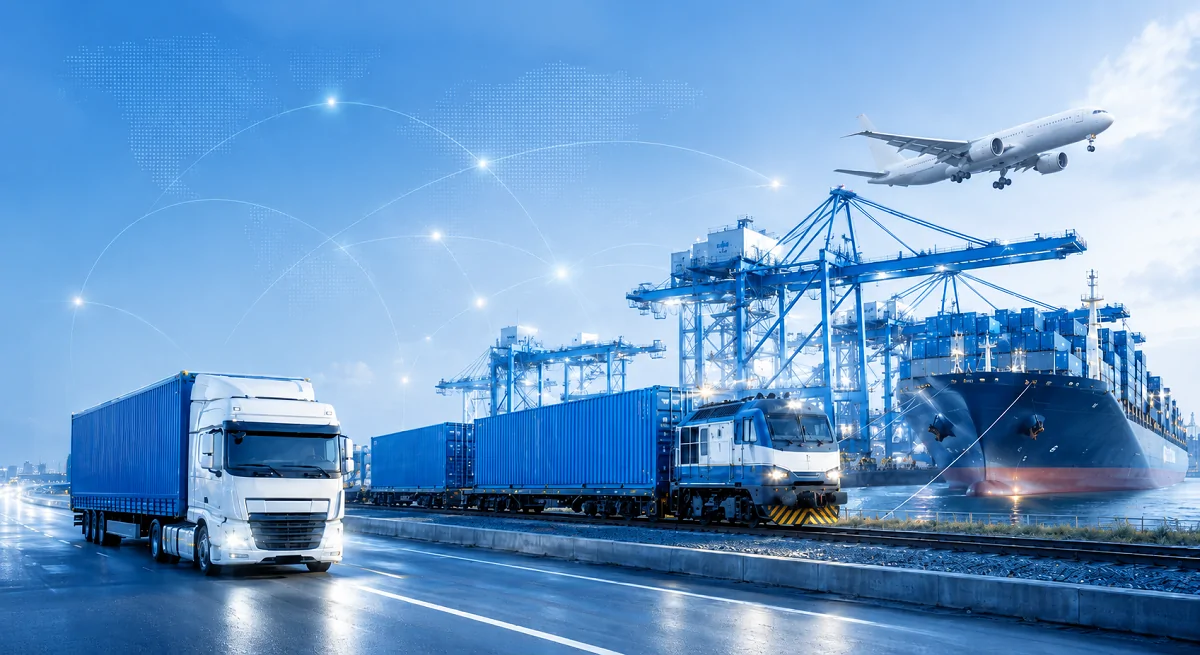
Imagine: you need to deliver cargo from Kharkiv to Warsaw. By truck – it’s slow and expensive due to border queues. By rail alone – there’s no direct connection to the consignee’s warehouse

Logistics in the European Union covers dozens of countries with different transport networks. Its functioning is based on strict standards of transportation quality and a well-developed infrastructure.
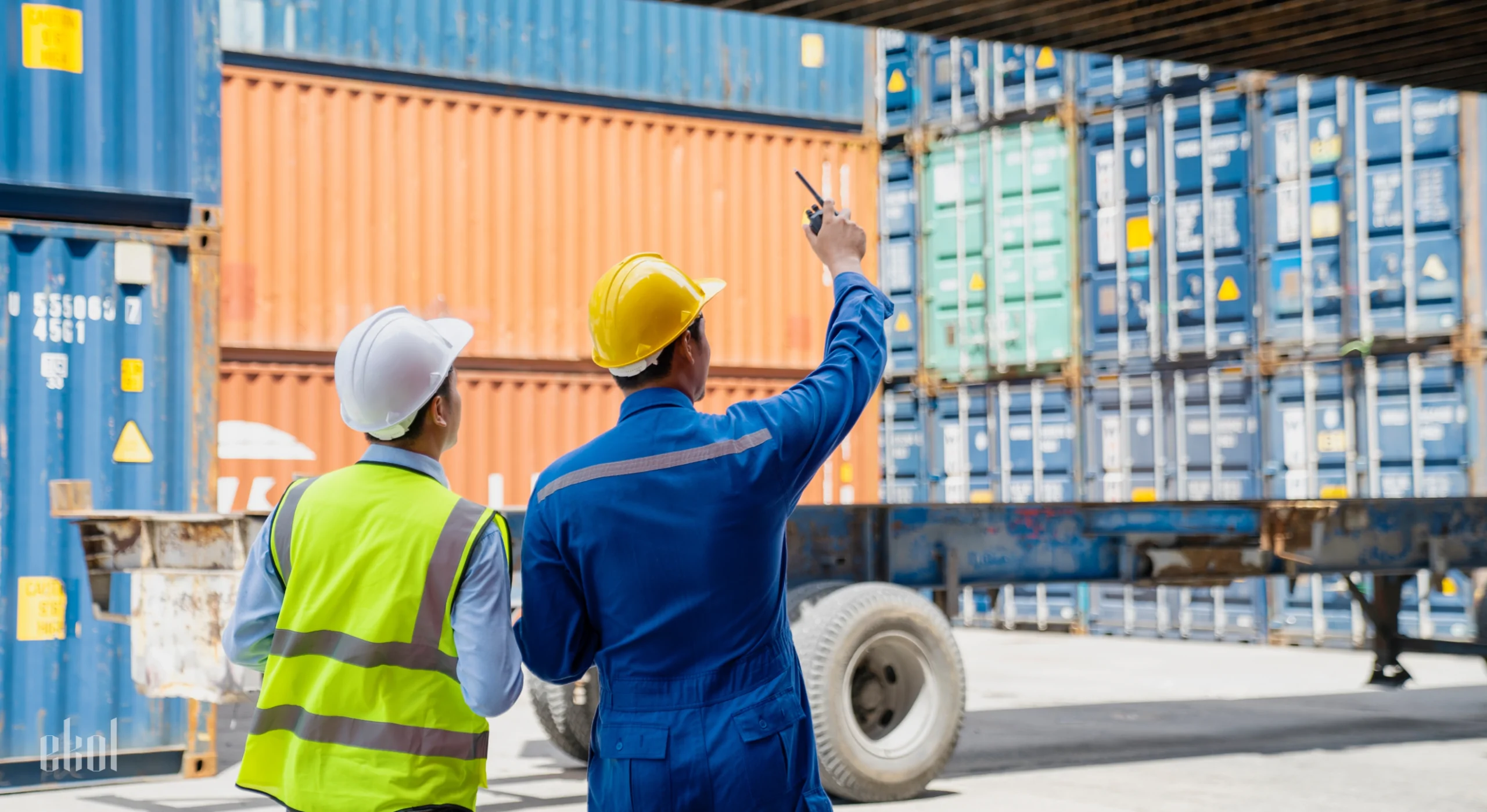
Logistics is often accompanied by delays at the border, unstable customs operations, and changes in export and import regulations
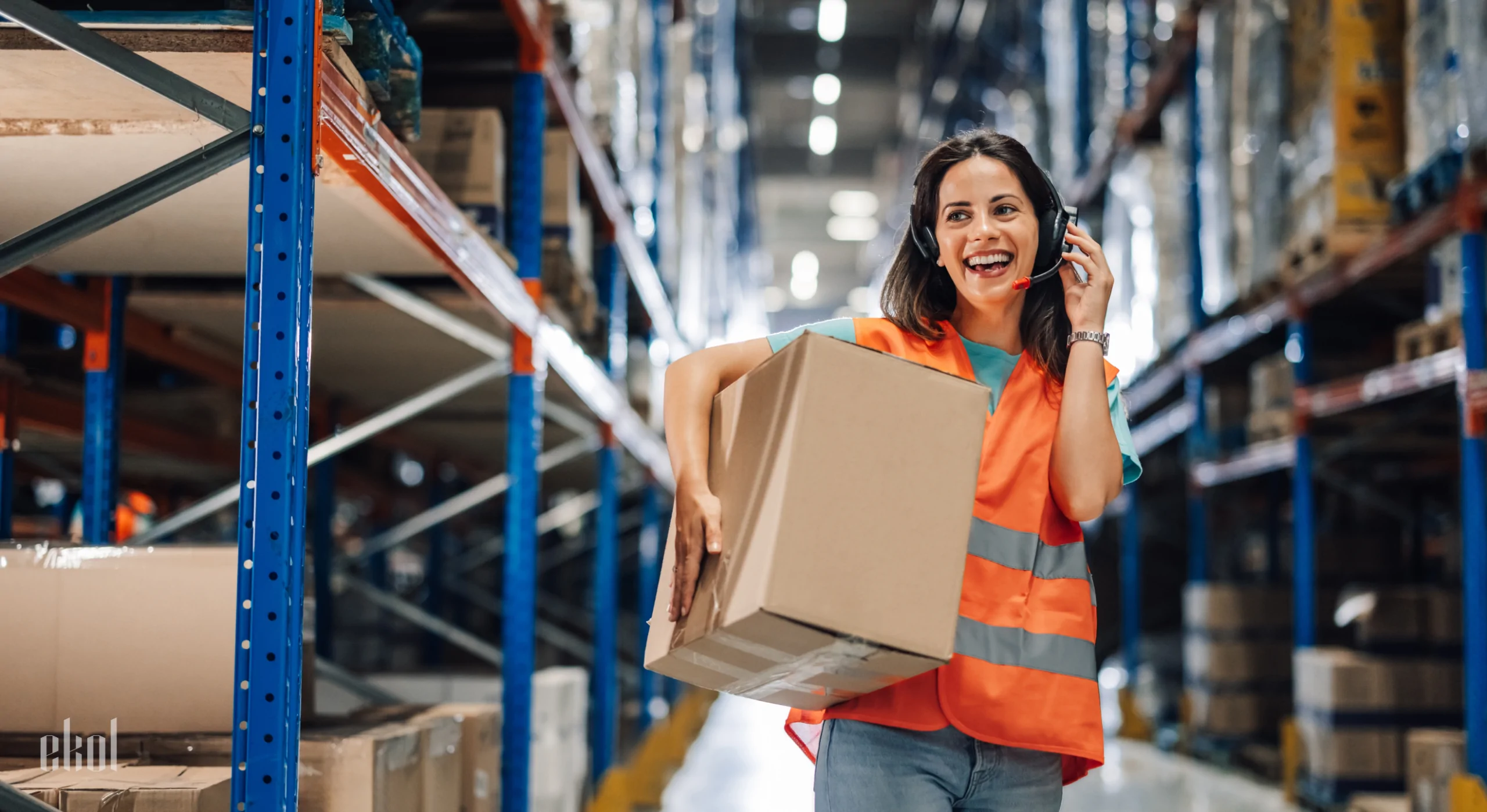
The growth of e-commerce is forcing companies to seek optimal solutions for rapid order fulfillment and reduced operating costs.

Online cargo tracking is one of the most critical aspects of transportation automation. Thanks to modern tracking systems, it is easy to find out in real-time exactly where a shipment is located, its estimated delivery time, and whether there are any delays.
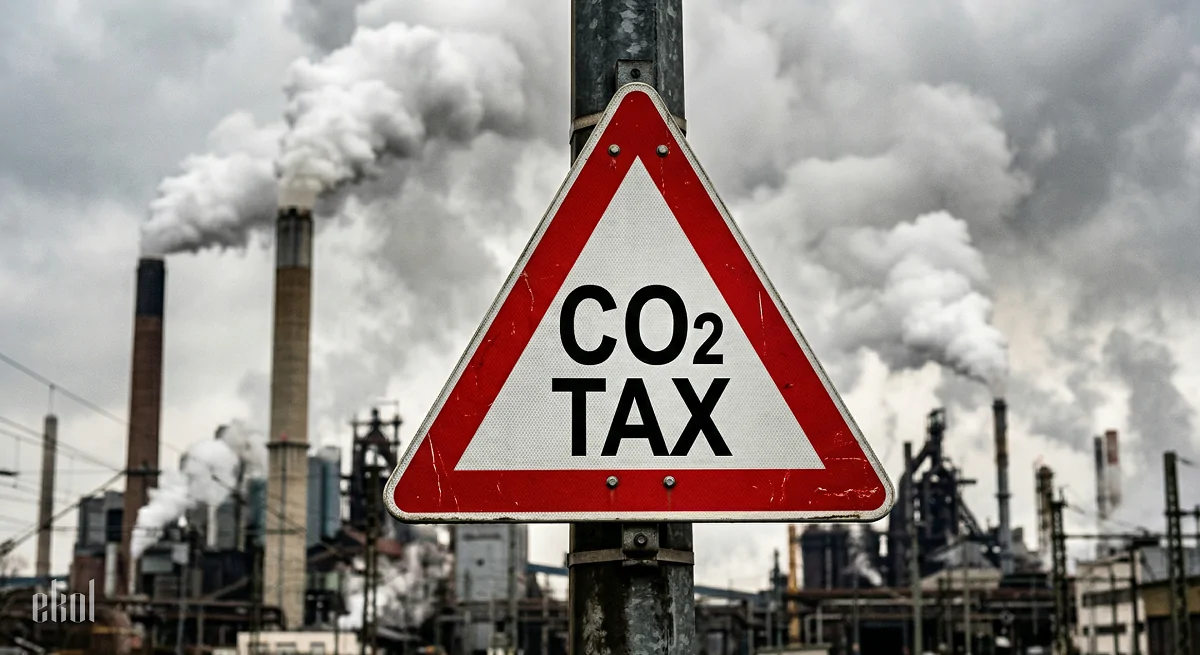
The European market has always attracted Ukrainian business, but the rules of the game are becoming increasingly stricter.

Anna
Business development manager

Volodymyr
Business development manager

Artur
Business Development Manager
