

What are Incoterms 2020
Incoterms (International Commercial Terms) are a set of officially recognized international rules and interpretations used in global trade. They define the responsibilities of the parties involved in an international agreement, determine liability, risks, delivery conditions, and allocation of costs, such as logistics, customs duties, insurance, and other transit-related details. The document helps avoid misunderstandings and ensures efficient import and export operations.
Purpose of Incoterms 2020: Why They Are Needed
The main purpose of Incoterms is to ensure transparency in international contracts and clearly outline the distribution of responsibilities between the parties. These rules help avoid confusion, unnecessary expenses, and legal disputes. The document answers key questions:
• When and where does the transfer of risk for loss or damage occur?
• Who is responsible for transportation costs, customs clearance, insurance, etc.?
• Who organizes and pays for transit and prepares the necessary export and import documents?
The answers are encoded in the corresponding three-letter abbreviations.
Key Principles and Purpose of the Rules
Incoterms rules are not laws. They are voluntarily adopted standards that become mandatory only after the parties include them in a contract. They regulate the interaction between the sender and the recipient and do not relate to the transfer of ownership or financial obligations. Incoterms define only the logistical aspects of delivery.
According to experts at Ekol – a company operating in international logistics since 2001 – a clearly defined Incoterms designation in a contract reduces the likelihood of disputes between parties by nearly half.
Key Changes in the 2020 Edition
Incoterms 2020 is the latest revision of the rules established by the International Chamber of Commerce in 1936. The updated version consists of 11 universal rules. Compared to the previous 2010 edition, several aspects were updated:
• The term DAT was replaced with DPU, emphasizing greater flexibility in the unloading location.
• Under FCA conditions, the buyer may request an “on-board” Bill of Lading, simplifying document control.
• Insurance coverage requirements under CIF and CIP became stricter, increasing safety levels.
• Electronic document support was introduced to meet digital-era standards.
Ekol specialists note: “The 2020 version is more practical, as it reflects the realities of modern supply chains.”

Incoterms Rule Groups: Classification by Delivery Type
Based on the type and conditions of delivery, Incoterms 2020 includes two major groups:
• for any mode of transport – 7 rules (EXW, FCA, CPT, CIP, DAP, DPU, DDP);
• for sea and inland waterway transport – 4 rules (FAS, FOB, CFR, CIF).
Overview of Rules for Any Mode of Transport
These terms apply to multimodal and intermodal shipments. For example:
• FCA (Free Carrier) means the seller delivers the cargo to the carrier at a specified location, after which risk transfers to the buyer.
• CPT (Carriage Paid To) states that the seller pays for transportation to a specified destination, but risk passes once the cargo is handed to the carrier.
• Under DAP (Delivered At Place), the seller delivers the goods to a named destination without import customs clearance.
Overview of Rules for Sea and Inland Waterway Transport
Rules such as FOB and CIF apply only to maritime shipments:
• FOB (Free On Board) – the seller delivers the goods onto the vessel at the port of shipment.
• CIF (Cost, Insurance and Freight) – the seller delivers to the port of destination and pays for insurance and freight.
Seller and Buyer Responsibilities – Distribution of Duties
| Rule | Cargo Responsibility | Risk Transfers | Customs Clearance | Insurance |
| EXW | Buyer loads cargo at seller’s premises | At seller’s premises | Buyer | Buyer |
| FCA | Seller hands cargo to first carrier at designated place | At the handover point | Seller – export, Buyer – import | As agreed |
| CPT | Seller pays transport to named place | At handover to first carrier | Seller – export, Buyer – import | As agreed |
| CIP | Same as CPT | Same as CPT | Same as CPT | Seller (minimum coverage) |
| DAP | Seller delivers to named destination | At the destination, before unloading | Seller – export, Buyer – import | As agreed |
| DPU | Seller delivers and unloads at named place | After unloading | Seller – export, Buyer – import | As agreed |
| DDP | Seller | At final destination | Seller | As agreed |
| FAS | Seller places goods alongside vessel at port | Alongside the vessel | Seller – export, Buyer – import | Buyer |
| FOB | Seller loads cargo on vessel | On board | Seller – export, Buyer – import | Buyer |
| CFR | Seller pays freight to destination port | On board | Seller – export, Buyer – import | Buyer |
| CIF | Same as CFR | Same as CFR | Same as CFR | Seller (minimum coverage) |
Benefits of Proper Use of Incoterms 2020
Using the correct term provides:
• minimized risks in international transactions;
• clear cost and responsibility allocation;
• a predictable contract;
• avoidance of misunderstandings with carriers and customs;
• faster transit processes.
Typical Mistakes Companies Make When Choosing Terms
Common mistakes include misinterpreting the moment of risk transfer, insufficient detail in the contract, incorrect selection of delivery points, using terms unsuitable for the mode of transport, and ignoring customs aspects. These issues result in delays and additional costs. Therefore, it is advisable to entrust the selection of terms and logistics processes to experienced professionals, such as the Ekol team. Previously, we also explained who a logistician is and their role in the delivery process.
How to Choose the Optimal Rule for an Agreement
The best solution is to rely on professionals. Ekol experts help select the optimal rules and calculate the full logistics route, cargo type, import country, delivery deadlines, insurance, and potential risks.
FAQ
What are Incoterms 2020, and why are they needed?
They are a set of rules regulating obligations and risks between parties in an international trade agreement.
What are the main changes introduced in Incoterms 2020 compared to the previous version?
New FCA options regarding Bills of Lading, updated insurance levels for CIF and CIP, and several other adjustments.
How many rules are included in Incoterms 2020, and how are they categorized?
11 rules: 7 for all modes of transport, 4 for maritime transport.
What is the difference between multimodal rules and maritime rules?
Maritime rules reflect the specifics of port infrastructure and apply only to sea and inland waterway shipments.
read more
Similar articles
In modern supply chains, speed, reliability, and transparency of delivery are of utmost importance. Businesses constantly face rising freight costs, changes in customs rules, and other transformations.
The organization of supply chains is no longer merely a supporting business function. Modern logistics forms the basis of companies’ competitive advantages and significantly affects their
International trade, the import and export of goods, directly depend on the effectiveness of regulating the movement of cargo across the border
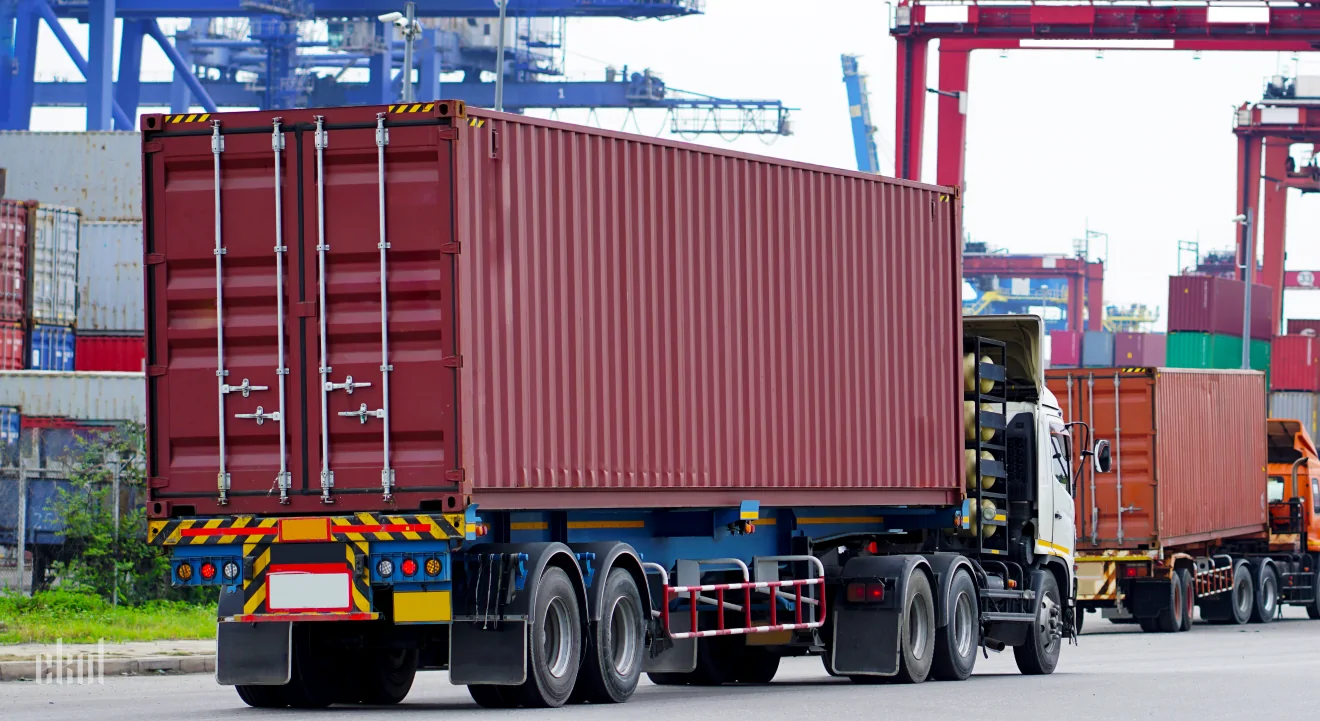
Market globalization dictates new rules: speed, flexibility, and cost minimization have become the foundation of survival for any enterprise.
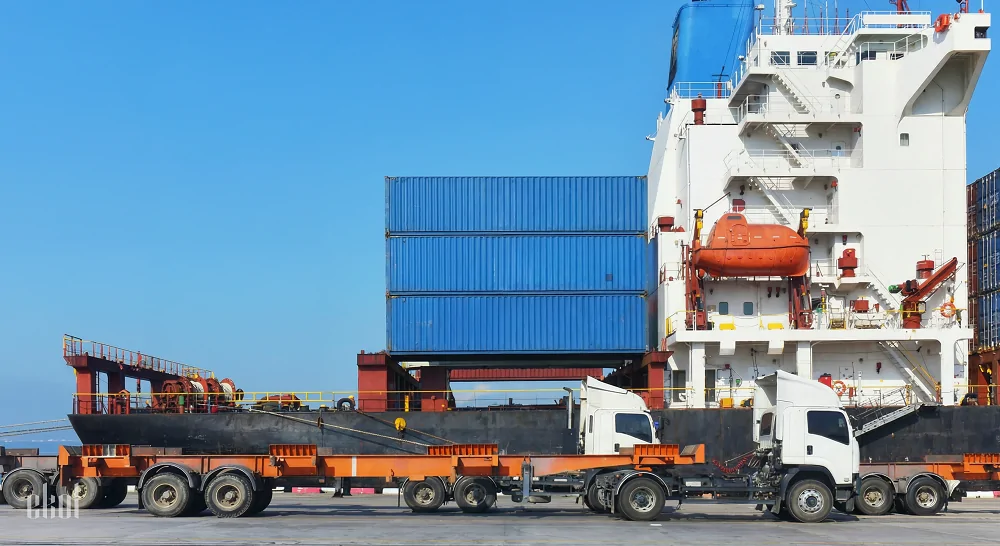
The logistics sector is dynamically changing under the influence of globalization, technological innovations, and changes in the geopolitical situation.

The logistics trends for B2B in 2026 significantly influence the market’s development, shape customer expectations, and change company business models

Anna
Business development manager

Volodymyr
Business development manager

Artur
Business Development Manager
