

How to Reduce Logistics Costs in 2026
For most companies, logistics in the coming year will directly affect profitability, the speed of scaling, and the ability to operate in international markets. Rising energy prices, increasingly complex transport corridors, and resource shortages are forcing businesses to rethink their approaches to managing logistics costs.
According to Ekol’s experts, those players who adopt a systematic approach rather than reacting to problems after the fact will gain a competitive advantage. Let us explore how logistics costs can be reduced in 2026.
Key Factors Shaping Logistics Costs
To understand how logistics costs can be reduced, it is first necessary to define what they consist of. In 2026, their structure will become more complex: in addition to traditional cost items, digital tools, analytics, and supply chain resilience requirements will play a growing role.
Currently, the greatest impact comes from:
- transportation and delivery routes;
- fuel and vehicle maintenance costs;
- warehousing and inventory management;
- IT solutions and system integration;
- the human factor and operational errors.
As an Ekol specialist notes, transportation often accounts for up to half of the total logistics budget. Therefore, optimizing and rationalizing transport-related costs remains a top priority for businesses.
The Impact of Digitalization on Cost Reduction
Digitalization in logistics is a fundamental control tool. Companies that use advanced platforms gain cost transparency and the ability to respond quickly to deviations.
This is not only about accounting, but about comprehensive analytics, monitoring, and forecasting. Digital solutions make it possible to identify weak points in real time rather than after the reporting period ends.
Automation of Warehouses and Processes
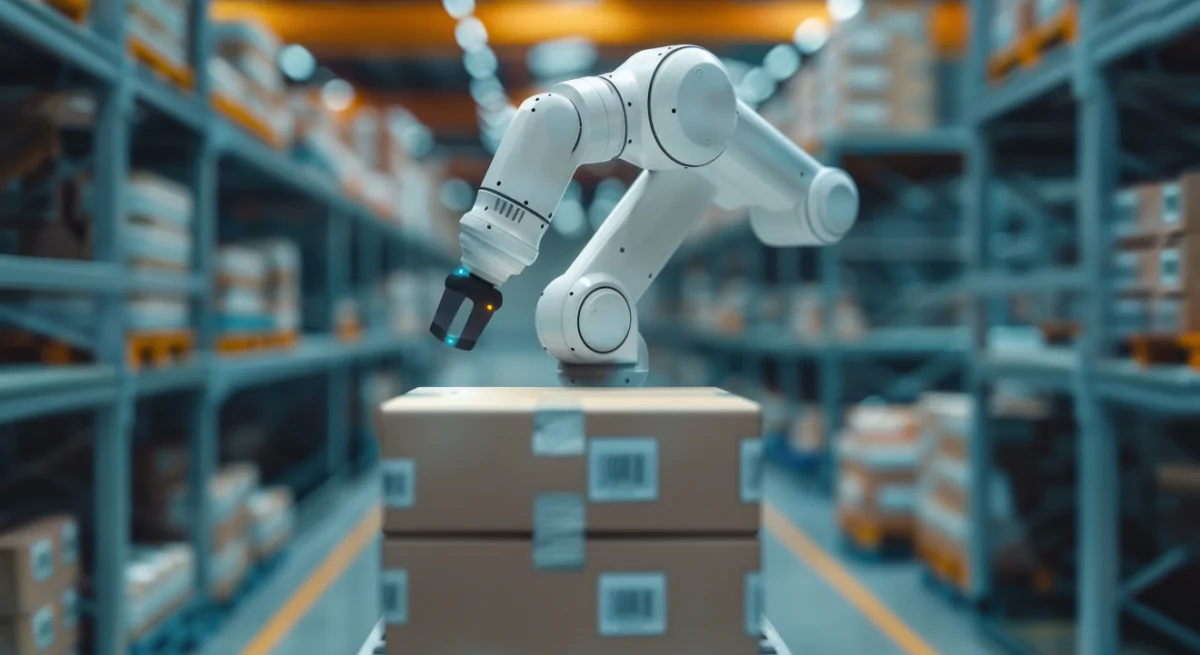
Warehouse automation and robotics deserve special attention, as hidden indirect losses often arise during storage operations. To avoid them, it is essential to take process logic into account.
After implementing automated solutions, businesses gain several advantages:
- reduced manual labor;
- fewer operational errors;
- faster inventory turnover;
- accurate stock control;
- the ability to scale without a sharp increase in costs.
As a result, automation improves overall warehouse efficiency and reduces the workload on staff.
Optimization of Transport Routes
One of the fastest ways to influence logistics costs in 2026 remains route optimization. To show how different tools affect the budget, consider the following overview:
| Tool | Practical Result |
| Dynamic route planning | Fewer empty runs and idle time |
| Cargo consolidation | Lower cost per shipment |
| GPS monitoring | Control over fuel consumption and time |
As the table shows, even basic solutions deliver measurable financial benefits and pay off quickly.
The Role of Artificial Intelligence in Cost Management
Artificial intelligence in logistics works quietly but effectively. It analyzes large data sets, forecasts demand, and supports informed decision-making.
Ekol experts are convinced that the use of AI is gradually becoming the foundation of effective logistics cost management. Such solutions minimize the risk of errors and enable more precise process planning.
Outsourcing Logistics Services as a Cost-Saving Tool
For many companies, outsourcing logistics to an external operator is the optimal solution. Outsourcing helps avoid capital investments in proprietary infrastructure while providing access to advanced technologies.
In this context, Ekol acts not merely as a carrier but as a full-fledged partner in cost management.
Green Logistics and Energy Efficiency
In 2026, environmental solutions will be directly linked to cost savings. Efficient fuel use, optimal vehicle loading, and energy-efficient warehouses will reduce expenses and increase a company’s attractiveness to international partners.
Inventory Management and Reduction of Warehousing Costs
Excess inventory is one of the most common causes of financial losses. Effective and well-thought-out supply planning makes it possible to reduce the space occupied by goods and free up working capital that would otherwise remain tied up in stock.
A key role in this process is played by in-depth analysis and accurate demand forecasting.
Data Analysis and Demand Forecasting
Analytical tools help answer a crucial question: which business processes should be optimized first to save costs? In logistics cost management, decisions are most often related to demand planning and accounting for seasonal fluctuations.
Common Mistakes That Increase Logistics Costs
To avoid unnecessary investments, businesses should pay attention to common missteps:
- lack of a single cost control center;
- insufficient focus on analytics and data;
- operating without a long-term logistics strategy.
Most of these issues arise from the absence of a systematic approach to organizing logistics processes. Avoiding such mistakes alone can already deliver a noticeable economic effect.
Practical Recommendations for Businesses in 2026
Summarizing the experience of companies working with Ekol, several universal steps for managing logistics costs can be highlighted:
- invest in digitalization and system integration;
- use outsourcing to support scaling;
- regularly review routes and fuel costs;
- implement continuous KPI monitoring.
Following these recommendations will allow businesses not only to control cash outflows in the short term but also to build a resilient logistics model ready for market changes and growth in 2026.
Build a Long-Term Cost Optimization Strategy
Reducing logistics costs is not a one-time action, but an ongoing process. Ekol specialists believe that sustainable results are achieved when technology, analytics, and partnerships work as a unified system.
This approach will enable businesses to confidently plan their development in 2026 and beyond. Optimizing transport costs is your path to success.
FAQ
What has the greatest impact on the growth of logistics costs in 2026?
The most significant factors remain transportation costs, fuel prices, and inefficient route planning.
How do digital technologies help reduce logistics costs?
They provide transparency, control, and forecasting capabilities, reducing errors and downtime.
Is logistics outsourcing appropriate for mid-sized businesses?
Yes, it allows cost optimization without investing in proprietary infrastructure.
How can delays in international transportation be avoided?
Businesses should work on several fronts simultaneously: plan routes in advance with alternatives in mind, pay close attention to customs documentation, and continuously monitor regulatory changes.
Equally important are digital monitoring systems that allow real-time tracking of cargo movement and clear communication among all supply chain participants.According to Ekol experts, cooperation with an experienced logistics operator that takes responsibility for process coordination and risk management is one of the most effective ways to avoid delays in international transportation.
read more
Similar articles
In modern supply chains, speed, reliability, and transparency of delivery are of utmost importance. Businesses constantly face rising freight costs, changes in customs rules, and other transformations.
The organization of supply chains is no longer merely a supporting business function. Modern logistics forms the basis of companies’ competitive advantages and significantly affects their
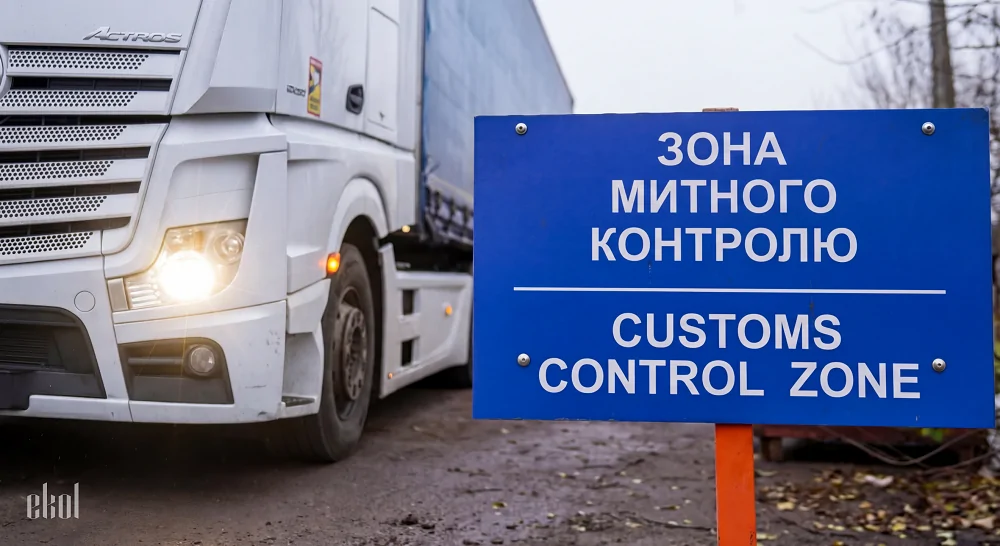
International trade, the import and export of goods, directly depend on the effectiveness of regulating the movement of cargo across the border
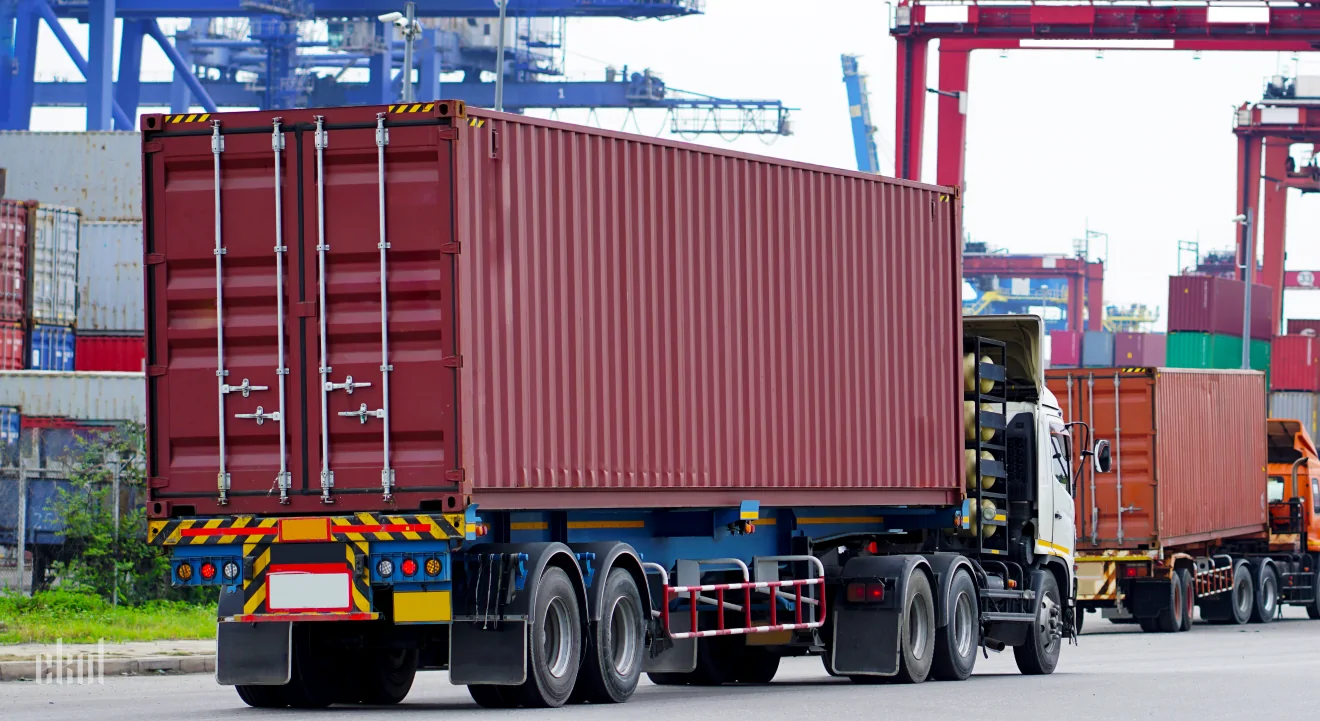
Market globalization dictates new rules: speed, flexibility, and cost minimization have become the foundation of survival for any enterprise.
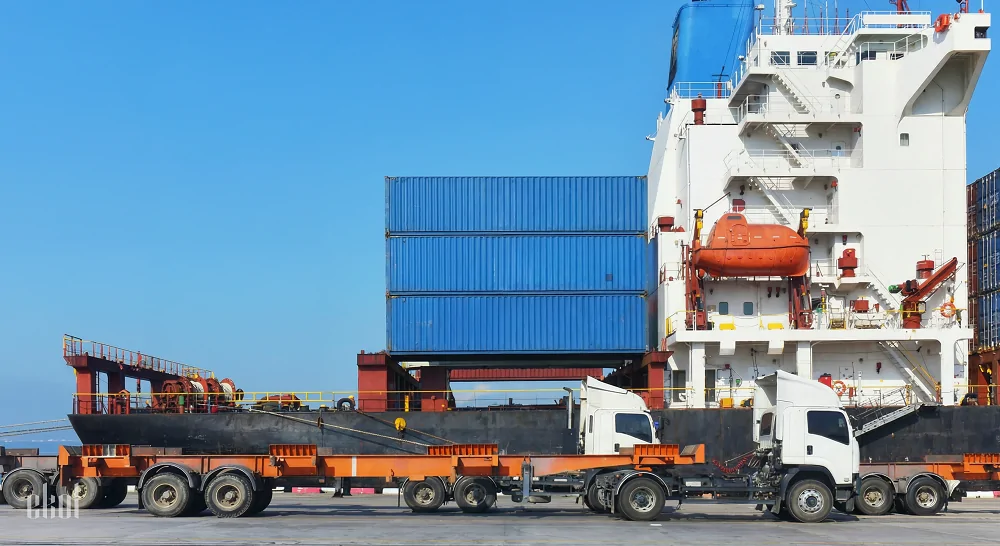
The logistics sector is dynamically changing under the influence of globalization, technological innovations, and changes in the geopolitical situation.

The logistics trends for B2B in 2026 significantly influence the market’s development, shape customer expectations, and change company business models

Anna
Business development manager

Volodymyr
Business development manager

Artur
Business Development Manager
