

International Freight Transportation in 2026

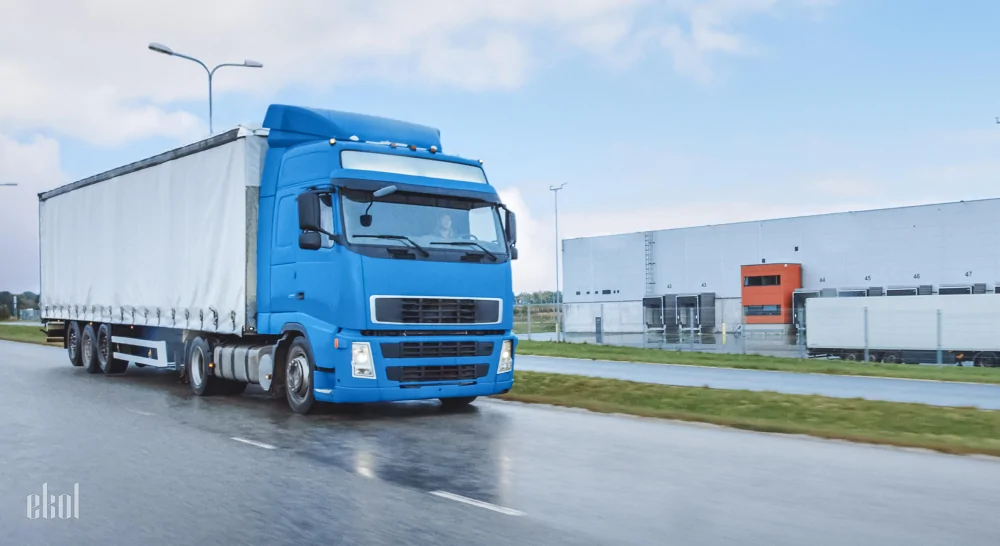
The global market is a real test of endurance, in which the one who adapts their supply chains faster wins. International freight transportation in 2026 is no longer a simple delivery of goods by carriers from point A to point B.
Now it is a high-tech game of chess, where every move is calculated by digital systems and supported by strict environmental certification. For a Ukrainian entrepreneur, understanding how to organize international transportation in 2026 effectively becomes a ticket to the higher league of global trade.
What International Freight Transportation Is
If we discard complex terminology, international freight transportation in 2026 is a kind of cross-border quest with numerous customs barriers, tax nuances, and legal peculiarities of different countries.
International freight transportation is a dynamic process in which export intertwines with import, and transit requires extraordinary accuracy in document processing.
The logistics of international transportation today focus not so much on wheels or rails as on information flows. According to estimates by Ekol experts, the efficiency of a modern supply chain depends approximately 70% on the quality of preparatory work: in particular, on the level of infrastructure development and the flexibility of warehouse terminals.
Main Types of International Transportation
Currently, when organizing international freight transportation, businesses choose transport primarily based on economic calculation — the cost of transporting one ton of cargo per kilometer. This indicator often determines the logistics strategy. The market dictates the following main priorities:
- Road transport sector. Remains the most common option for cargo transportation between European countries. It offers speed, mobility, and door-to-warehouse delivery.
- Railway lines. Ideally suited for the movement of large volumes of metal, grain, or equipment when time pressure is lower than budget constraints.
- Sea containers. Giant vessels ensure the stability of global trade by offering minimal freight rates for intercontinental routes.
- Air freight. A lifeline for urgent shipments, electronics, or expensive medicines, where even a few hours of delay may cost significant financial losses.
To reduce costs, companies increasingly use multimodal transportation, combining sea, rail, and road transport within a single logistics contract. This contributes to route optimization.
Trends in the Development of International Logistics in 2026
This year, the industry is finally becoming fully digitalized. As Ekol specialists note, the market has already moved away from simple tracking and shifted to predictive modeling: we know about delays at the border even before the transport sets off on its journey.
Key directions:
- Green corridors. The Euro-7 environmental standard and trucks running on alternative fuels are no longer the future but an entry requirement for operating in the EU.
- Artificial intelligence in customs. Declarations are checked by algorithms within seconds. At the same time, the requirements for data accuracy have increased significantly.
- Resilience above all. The “just-in-time” model is giving way to “just-in-case,” which involves creating reserves at intermediate hubs.
“Logistics today is not about hardware but about data. We are not simply transporting boxes — we manage the risks and time of our clients in international freight transportation,” shares the leading strategist of the Ekol brand.
Main Routes of International Transportation from Ukraine
Ukraine’s export vector is clearly directed to the West. Our logistics routes are arteries that feed the economy, connecting local producers with global consumers.
| Country-Partner of International Freight Transportation | Main Range of Goods | Type of Connection |
| Poland, Germany | Textiles, furniture, food products, equipment, and components for production | Highways (FTL/LTL) |
| Romania, Turkey | Agricultural products, metal, chemical industry goods, textiles | Seaports, barges |
| Baltic countries | Timber, machinery, IT components | Railways, multimodal schemes |
It is important to understand that international freight transportation between European countries requires not only vehicles but also permits (ECMT) and compliance with the technical regulations of each individual country.
Documents for International Freight Transportation
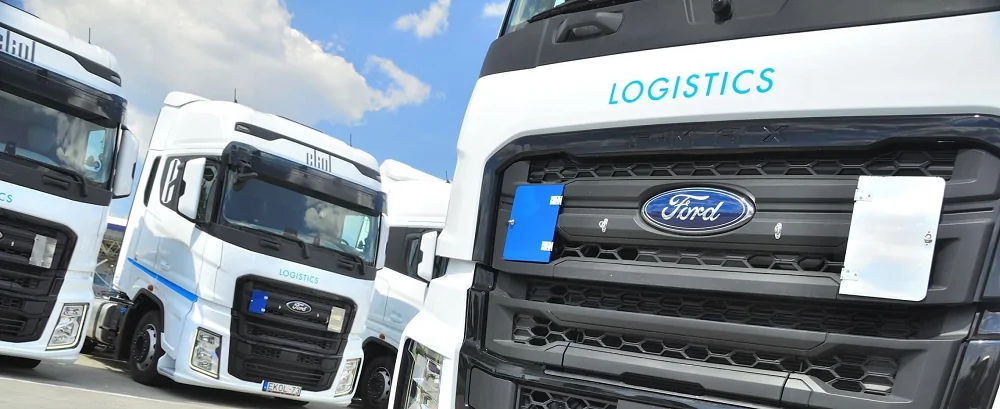
If you want your international freight transportation to go without “surprises,” the document package must be prepared flawlessly. This is especially required for multimodal transportation. Any mistake in the HS Code, and your goods will “hang” in the customs warehouse for weeks, while the next contractor under the agreement charges for downtime.
For the driver responsible for international freight transportation, the following are mandatory:
- CMR – the main document for road transportation.
- Invoice with a detailed cost breakdown.
- Packing list indicating every single crate.
- EX-1 declaration to confirm export.
- Certificate of origin if you want to receive customs duty benefits.
Forget the paperwork headache in international freight transportation – professional customs clearance allows businesses to focus on their operations while brokers deal with customs servers.
Factors Affecting the Cost of International Shipping
Freight cost in 2026 is an equation with many unknowns. Ekol specialists highlight the following points:
- Energy prices. Fluctuations in fuel costs immediately affect international freight rates.
- Balance of cargo flows. If a truck returns empty, the client pays for “air.”
- Complexity of cargo. Oversized items, ADR classes, or temperature-controlled shipments cost more.
- Urgency. Express delivery within international freight transportation always comes with a premium price.
- Market fluctuations and seasonal demand. Logistics also has its “Black Fridays” and pre-holiday rushes. When demand for trucks skyrockets, for example, before the New Year, prices for available freight soar.
- Currency fluctuations. Since international settlements are tied to foreign currency, any jump in the dollar or euro instantly adjusts the final service cost in hryvnia equivalent.
Thus, prices for international freight transportation are never static.
Role of Logistics Companies in International Transportation
In the turbulent sea of modern trade, a logistics company is your reliable beacon. By entrusting international freight transportation to the Ekol team, you receive a comprehensive solution.
We handle everything: from risk insurance and document preparation to finding the optimal route considering border conditions. Professional international logistics is an investment that pays off in saved time and satisfied customers.
Risks and Challenges of International Logistics
The year 2026 has brought new challenges: cyber threats, power system disruptions, the need to report carbon footprints, and compliance with new environmental transport standards. Companies are forced to urgently update their vehicle fleets and adapt logistics processes.
Under these conditions, the key is to have a reliable partner for international freight transportation and a flexible management strategy. Risk always exists, but with the right approach, it becomes a manageable element of business planning.
FAQ
What is international freight transportation?
International freight transportation is the process of transporting goods between two or more countries, which involves crossing national borders.
Which countries are Ukraine’s main partners in international logistics?
The undeniable leaders in international freight transportation are Poland and Germany. Trade with Romania, the Czech Republic, and Slovakia is also actively growing. These countries receive the main flow of our exports.
What types of international transportation does Ekol offer in 2026?
We work with road, rail, sea, and air transport. However, the real hit is combined routes, which allow bypassing geographical and infrastructure limitations.
How to calculate the approximate cost of transportation?
The best way is to submit a request for an international freight cost calculation, specifying weight, volume, and route. Prices change quickly, so an up-to-date estimate is the key to a successful deal.
read more
Similar articles
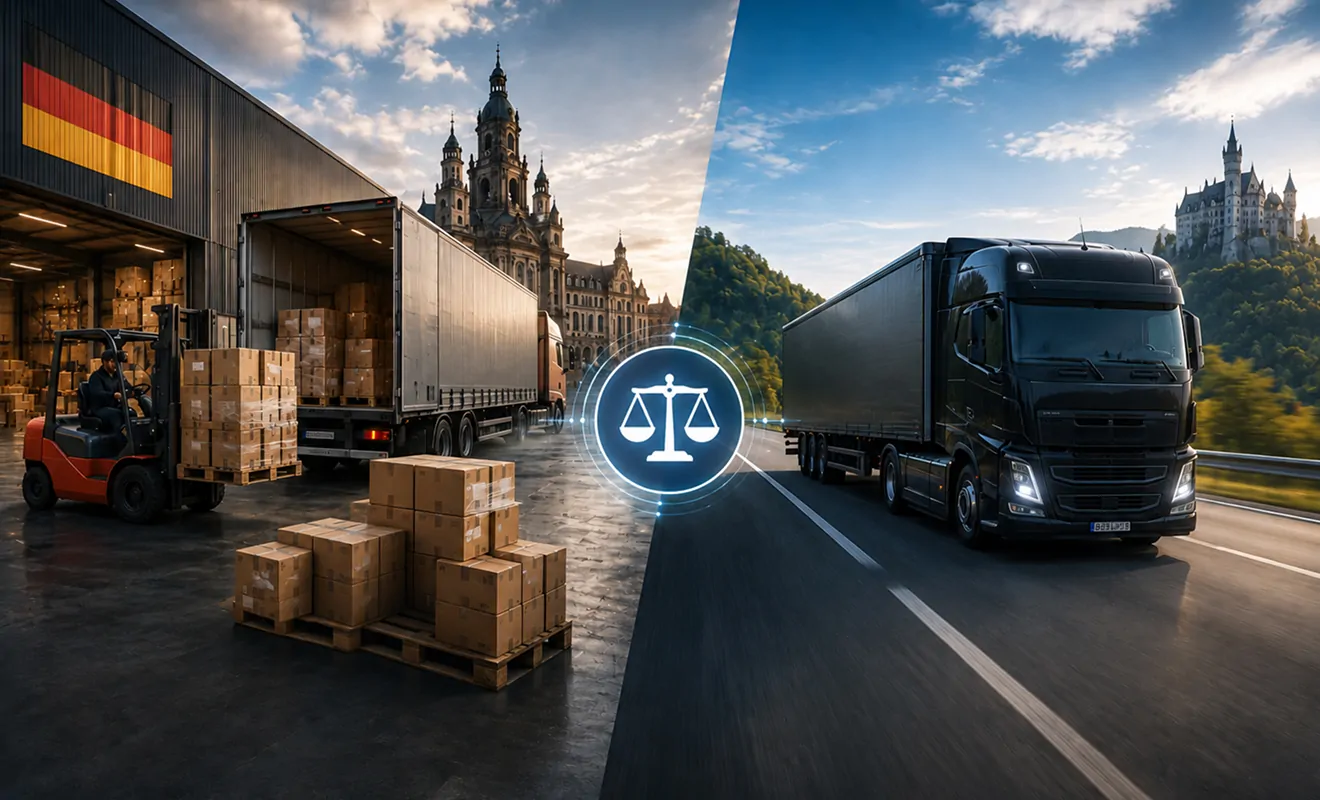
Logistics offers two tools for shipping from Germany: Less-than-Truckload (LTL) consolidation and Full Truckload (FTL) shipments.
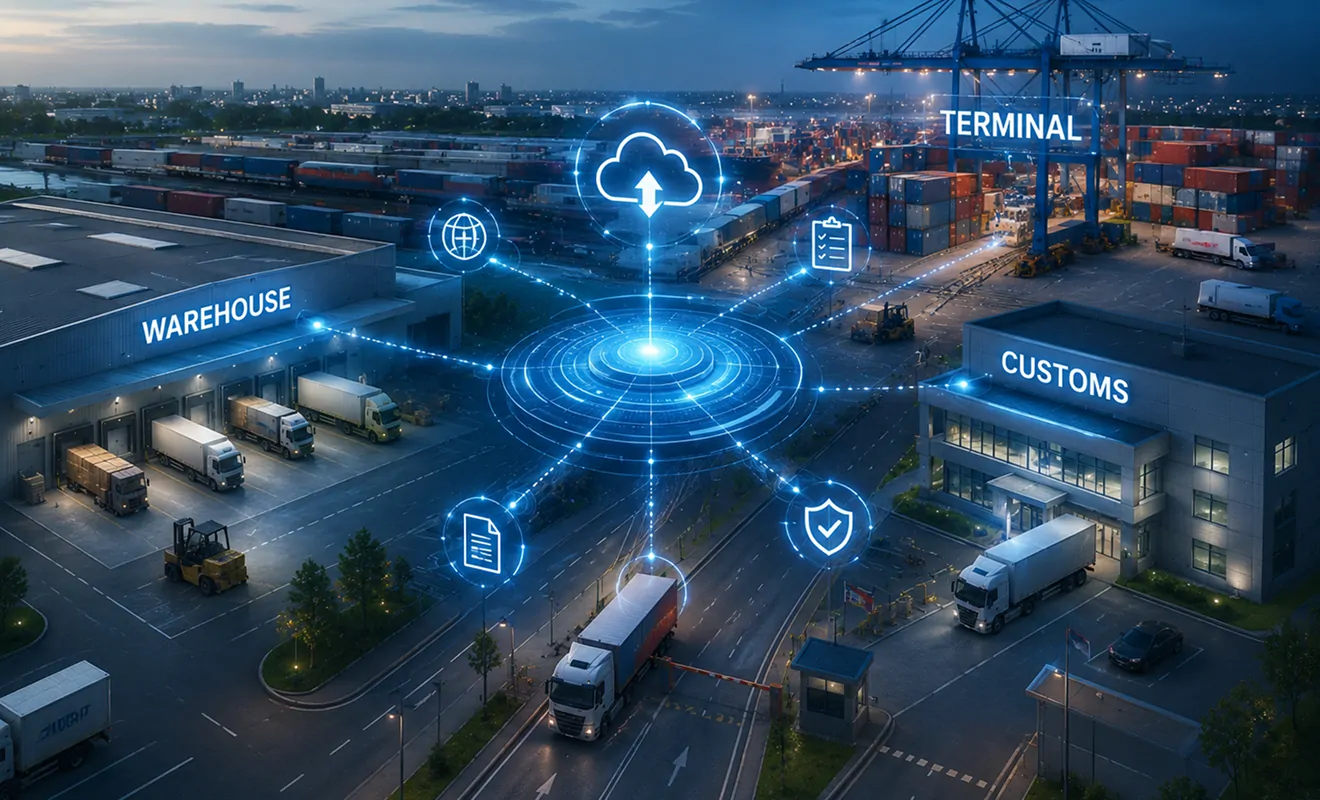
A dry port is one of the solutions to the problem of congestion at seaports and customs-logistics infrastructure. It relocates part of operations inland. But the real impact comes from digital integration.

Most FPV components are sourced from China. This is a long route with temperature fluctuations and extended storage in transit zones.
Last-mile delivery is the final stage of the logistics chain, which shapes both the service cost and customer loyalty.
There are more than 8,000 kilometers between Ukraine and Japan, with no shared border or direct rail connection. Despite this, imports from Japan to Ukraine are growing
Just a few years ago, a dispatcher would spend an hour on a single request. Today, AI agents in logistics accomplish the same task in minutes – without phone calls or errors.

Anna
Business development manager

Volodymyr
Business development manager

Artur
Business Development Manager
