

For businesses
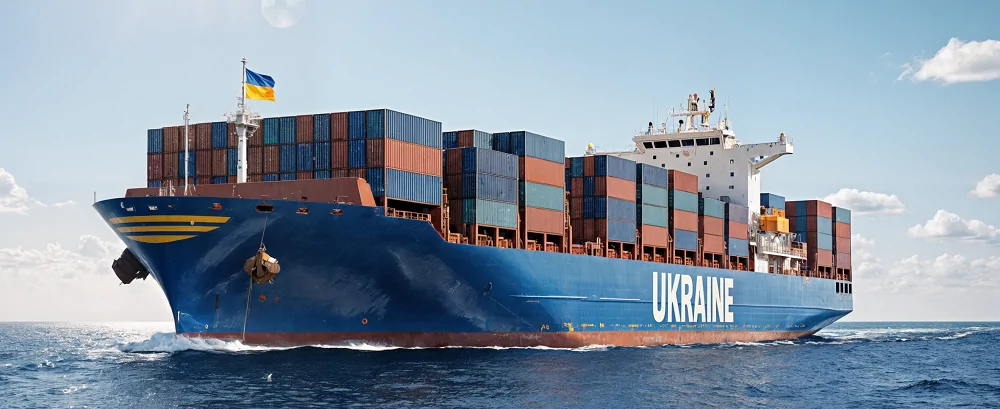
Ukraine’s transport corridors have undergone significant changes over the past three years. With the closure of airspace, cargo flows shifted to road and rail, and since 2023 partially returned to sea routes. Over time, trade volumes recovered, reaching $112.3 billion in turnover by the end of 2024.
Engaging in international trade opens up opportunities for Ukrainian manufacturers and suppliers — from increasing sales and building partnerships to boosting profits. However, exporting goods from Ukraine requires thorough preparation, as well as legal and financial support. To minimise risks, it’s important to understand the key stages, requirements, and specifics of foreign economic activity (FEA).
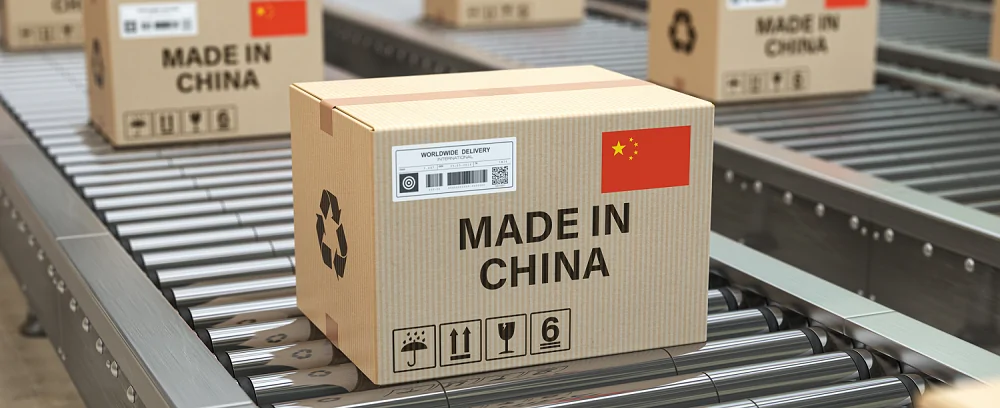
In 2023, around 52 million parcels were imported into Ukraine. Considering the trend of annual growth (+50% per year), by the end of 2025 the number of imported small international packages (often the most popular online products) is expected to exceed 100 million units. According to various estimates, more than 60% of them will come from China.

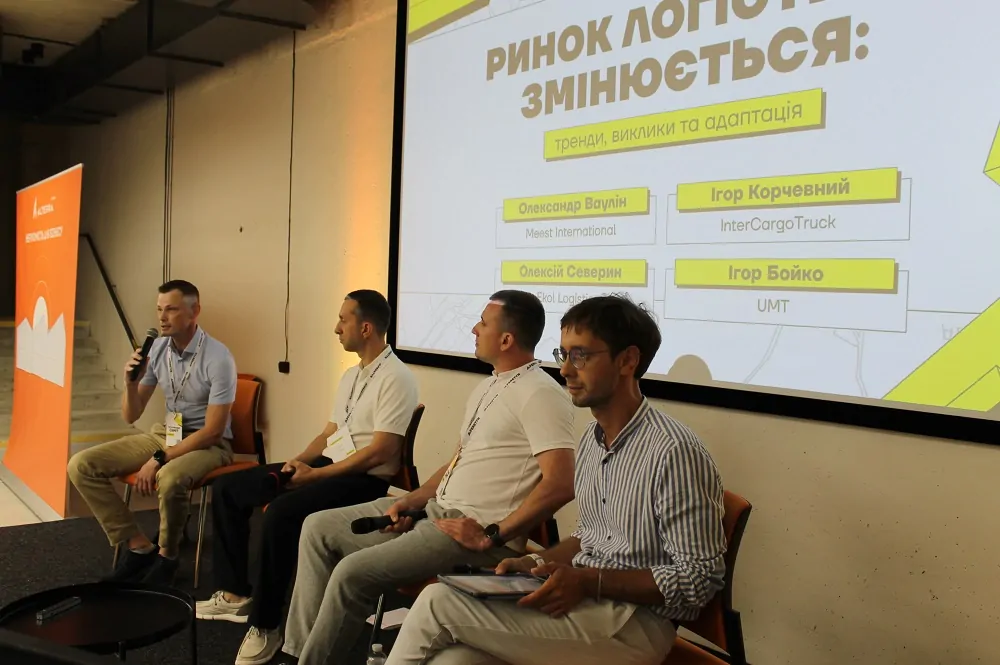
Ekol recently took part in a major logistics summit that brought together leading industry professionals to discuss the future of transportation and supply chain management. The focus of the event was on rapid transformation in the logistics market, key challenges businesses are facing, and strategies for sustainable adaptation.

The success of your business depends on a well-organized logistics operation. Choosing a logistics provider in 2025 goes beyond price and delivery times. More important factors include reliability, a personalized approach, adaptability, and an in-depth understanding of the Ukrainian market. Partnering with a strong logistics provider is a competitive advantage. But how do you find a logistics partner who won’t let you down when it matters most?

Anna
Business development manager

Volodymyr
Business development manager

Artur
Business Development Manager
