

What Is 3PL Warehousing and Why Ukrainian Businesses Are Switching to It

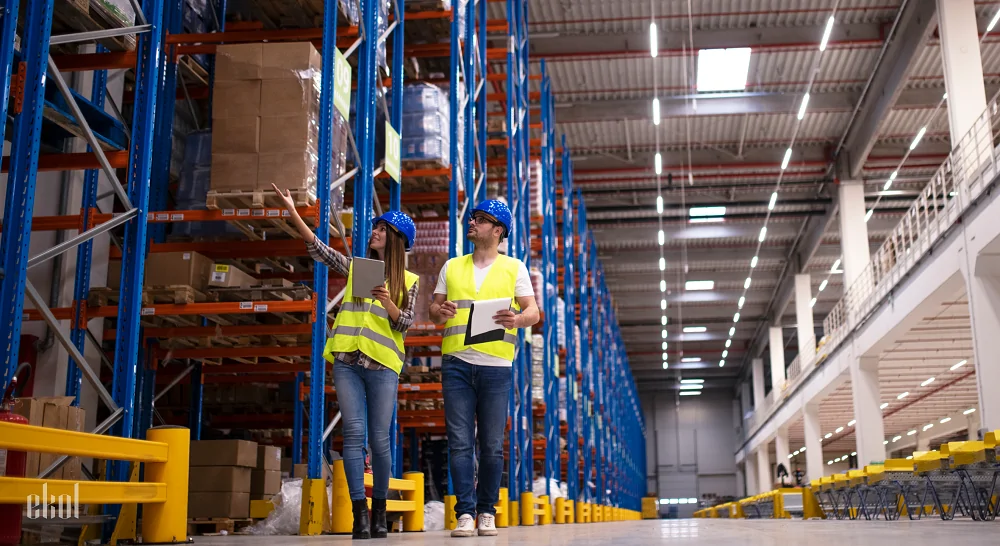
For many entrepreneurs, having their own warehouse in the supply chain is not the optimal solution. Rather, it becomes a source of additional problems. After all, you have to pay rent during the off-season, constantly search for qualified warehouse workers, and calculate losses caused by mistakes in orders.
When the lion’s share of profits goes toward maintaining a warehouse and staff, a logical question arises: why do this if you can focus on sales? For such purposes, 3PL logistics exists. It allows you to pay only for actual operations and delegate many processes to professionals.
Let’s look at this topic in more detail. We will analyze the benefits of outsourcing for businesses, how a 3PL warehouse operates, and how to avoid making mistakes when choosing an operator.
The Concept of 3PL Warehousing in Logistics
The term 3PL stands for Third Party Logistics. You transfer your goods to the operator of a logistics company, and they perform all the necessary operations: receive them at the warehouse, check their integrity, enter them into the system, place them on racks, pack them, and send them to your customers.
The use of shared infrastructure, IT systems, and personnel to simultaneously serve dozens of companies makes it possible to utilize warehouse space to the maximum. As a result, you receive the service at a significantly lower cost than maintaining your own staff.
According to experts at Ekol, the 3PL approach is more profitable than renting a warehouse. This is because you pay only for the resources actually used and for the operations performed with your goods.
How 3PL Logistics Works
The entire process relies on automation. Each type of product arriving at a 3PL warehouse is assigned a unique SKU (stock keeping unit), and every physical item is marked with a barcode. At any moment, you can view current inventory levels and order statuses in your personal account within the WMS system.
Processes included in 3PL warehousing:
- Receiving goods. After the cargo arrives at the warehouse, it is unloaded, checked against delivery notes, and inspected for damage.
- Address-based storage. Internal transportation within the warehouse is carried out using special equipment that moves goods to the appropriate zone (rack storage, small-bin storage, or temperature-controlled areas) while following product compatibility rules.
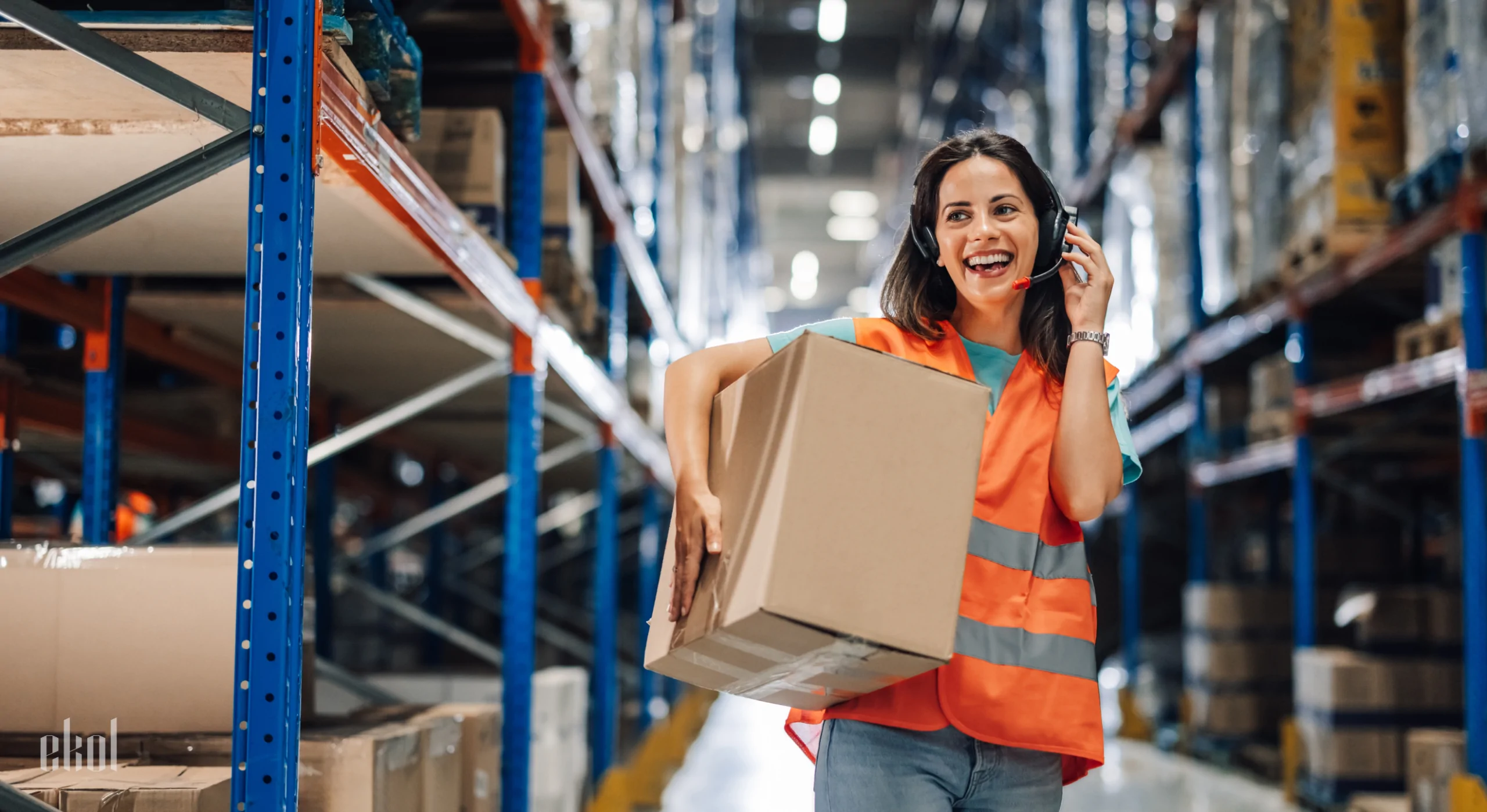
- Order processing. As soon as a customer purchases a product on the website, the warehouse receives an electronic task. A warehouse worker with a data collection terminal (DCT) builds the shortest route to the required shelf.
- Picking and control. The product is taken from the warehouse shelf, scanned again (to avoid errors such as “wrong color/size”), and packed according to your regulations.
- Shipping. The completed parcel with a TTN (transport waybill) waits for the courier in the outbound area of the warehouse.
The work is carried out by the operator, while you simply monitor status updates in the system. It is no coincidence that 62% of manufacturers and 57% of retailers use 3PL providers to optimize transportation and product distribution.
Main 3PL Warehousing Services
A reliable logistics partner takes responsibility for the entire cycle of warehouse operations, including:
- inventory checks at the warehouse and verification of SKU compliance;
- long-term storage of products in warehouse zones with controlled temperature conditions;
- labeling, stickering, and preparing goods according to the standards of retail chains or marketplaces;
- repacking cargo or assembling gift and promotional sets at the warehouse;
- piece-by-piece or batch picking of goods of any size;
- receiving returns from customers, assessing their condition, and quickly returning them to sale.
The operator performs many types of work that go far beyond the functions of a simple warehouse landlord. So what is 3PL warehousing if not a flexible service? It is far more convenient to pay for specific actions than to maintain a half-empty warehouse during periods of low sales.
Advantages of 3PL Warehousing for Businesses
The main business benefit is the absence of capital investments. You do not need to purchase equipment or implement expensive software for warehouse inventory management.
| Own Warehouse | 3PL Warehouse | |
| Investments | High (warehouse rent, equipment, racks, utilities) | Variable (pay-as-you-go) |
| Personnel | Requires constant management (recruitment, onboarding, salary payments) | Managed by the 3PL logistics operator |
| Scalability | Limited by warehouse space | Flexible (can scale within a day) |
| Responsibility | Fully on the owner | Fully on the 3PL partner |
| Geography | Tied to one location | Wide distribution via a network of hubs |
Using a professional provider makes a business more mobile. If sales decline, logistics costs automatically decrease. During peak season, the 3PL operator can allocate more staff to process orders.
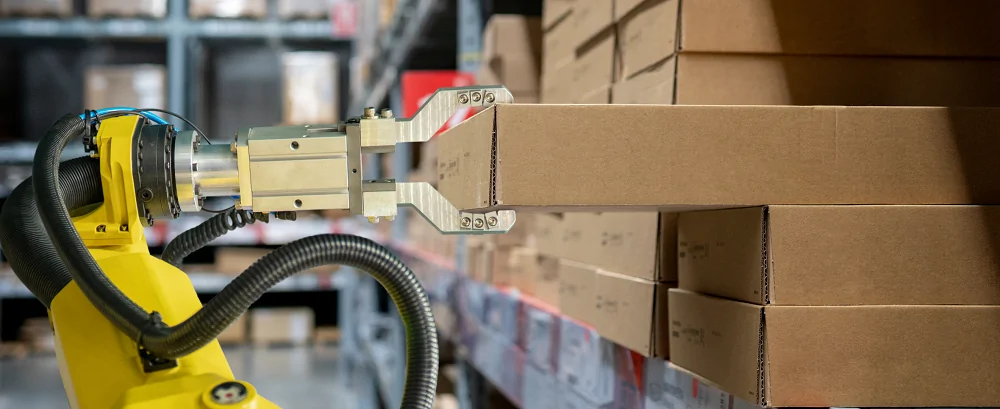
Interesting fact! In 2024, the global market processed more than 48 billion parcels, and 3PL providers handled over 78% of all e-commerce shipments. This means it is easier for large retailers to entrust warehousing to specialists than to build their own ecosystem from scratch.
Why Ukrainian Companies Are Switching to 3PL Warehousing
In conditions of instability, the Ukrainian market is looking for ways to minimize risks. 3PL logistics for online stores and manufacturers has become a lifeline for several reasons:
- cost optimization: you pay for the volume of services that you used in the current month;
- access to ready infrastructure: building and maintaining a warehouse independently is too expensive and time-consuming;
- better flexibility: a 3PL warehouse allows you to increase or decrease storage volumes depending on demand.
Overall, the 3PL market is steadily growing. Global Growth Insights forecasts that by 2035 its global volume will reach almost $3.4 trillion. The average annual growth rate (CAGR) of 9.2% illustrates the global trust in logistics outsourcing.
What does this mean? Businesses are increasingly abandoning the maintenance of their own assets in favor of service-based solutions. The model of outsourcing warehouse operations is becoming a global standard, and Ukraine is also moving toward it.
What Businesses 3PL Warehousing Is Suitable For
There is no point in switching to outsourcing if you sell two units of goods per week from your own garage. However, with a large flow of orders, the situation changes. The model shows the greatest efficiency in the following areas:
- E-commerce. For online stores, a 3PL operator provides B2C fulfillment. In the warehouse, each unit of goods is processed separately for the end consumer.
- Distribution and wholesale. B2B fulfillment becomes more relevant: working with large batches, pallets, and strict schedules of retail chains.
- Manufacturing. Instead of filling production facilities with finished products, enterprises send goods to the warehouse of a 3PL partner, who organizes storage and delivery to customers.
Despite this, we at Ekol are convinced that regardless of the specifics of a business, 3PL warehousing contributes to its scalability. Processing hundreds of orders daily without spending on equipment and personnel becomes a reality.
How to Choose a 3PL Operator
To ensure that logistics does not slow down your business, you should responsibly approach the choice of a partner. First of all, pay attention to three key points:
- Automation of data exchange. Orders for your goods should be processed at the warehouse immediately. If you have to manually fill in spreadsheets, it is not a service but simply renting a warehouse worker.
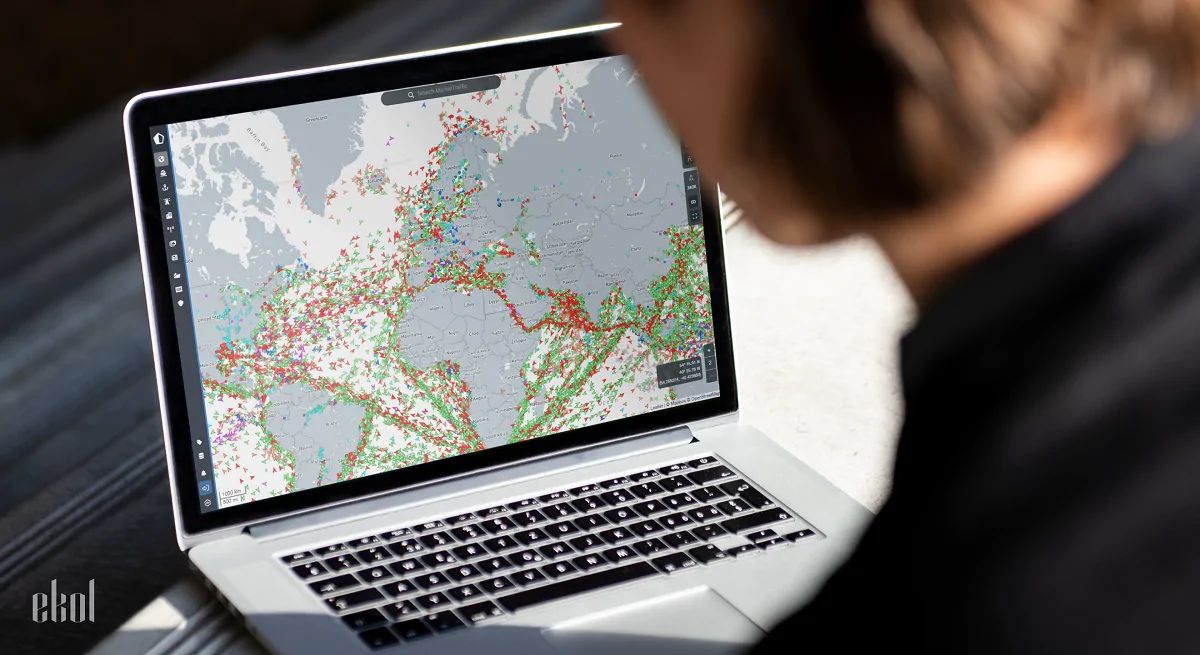
- Inventory control. You should see the status of every unit of goods in the warehouse in real time, without calling managers.
- Reliability during peak periods. A good partner will have a reserve of equipment and staff for sales days and holidays.
The advantages of 3PL logistics for business are virtually limitless. With Ekol, you get a ready-made logistics ecosystem that replaces your own warehouse. Scale your business without spending on warehouse equipment, personnel, and software – pay only for real operations.
FAQ
Can I come to the warehouse and check my goods?
Yes. You have the right to physically inspect your inventory, and a professional 3PL operator is always open to audits.
Who is responsible for defects or damaged packaging?
The operator checks the goods upon receipt and bears financial responsibility for their safekeeping. Therefore, the owner avoids expenses that they would otherwise cover themselves in their own warehouse.
What should I do if the product assortment constantly changes?
The address-based storage system in a 3PL warehouse is flexible. Introducing new SKUs or removing old ones from circulation is easy and fast.
read more
Similar articles
Logistics in the European Union covers dozens of countries with different transport networks. Its functioning is based on strict standards of transportation quality and a well-developed infrastructure.
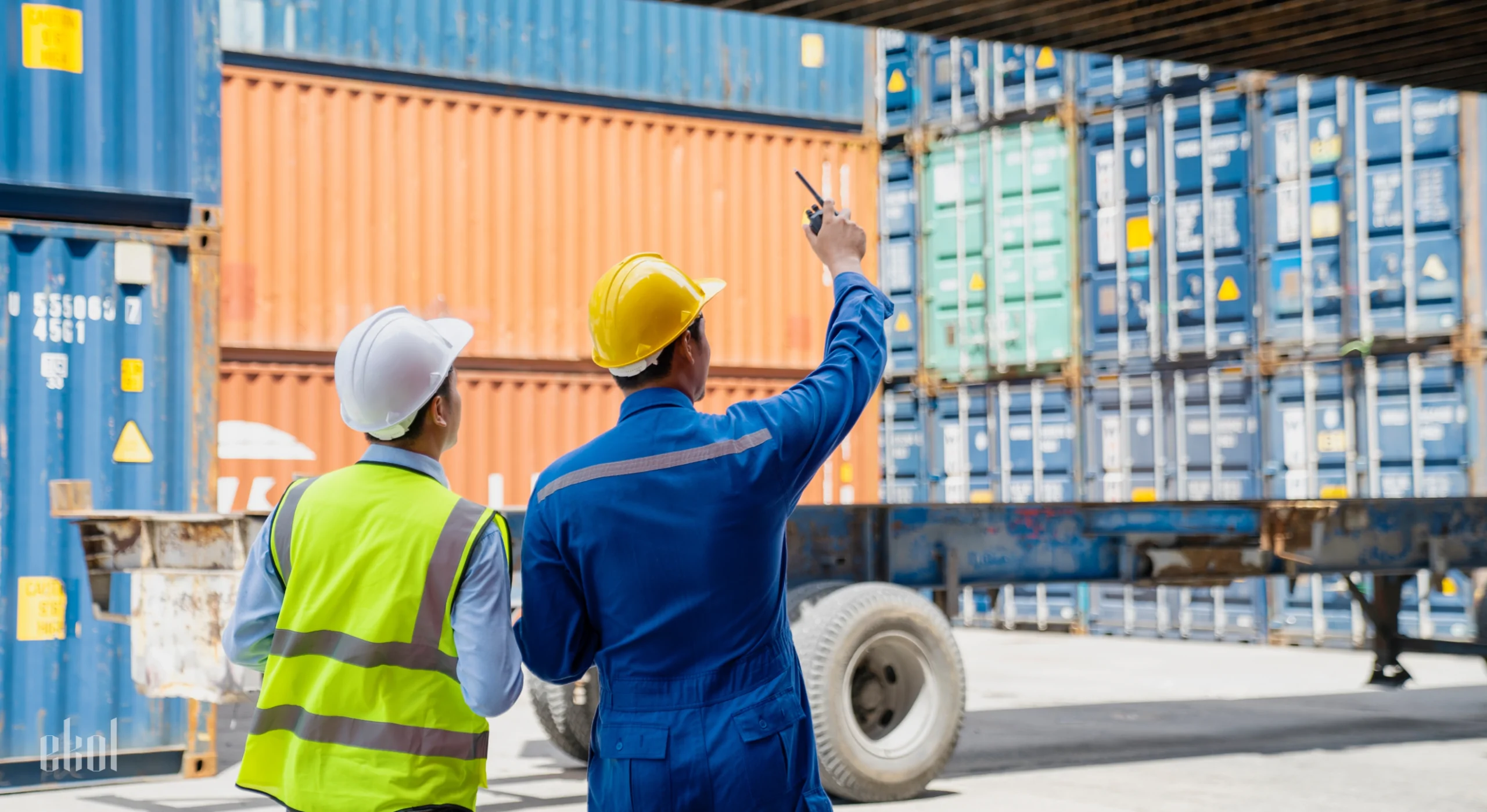
Logistics is often accompanied by delays at the border, unstable customs operations, and changes in export and import regulations
The growth of e-commerce is forcing companies to seek optimal solutions for rapid order fulfillment and reduced operating costs.
Online cargo tracking is one of the most critical aspects of transportation automation. Thanks to modern tracking systems, it is easy to find out in real-time exactly where a shipment is located, its estimated delivery time, and whether there are any delays.

The European market has always attracted Ukrainian business, but the rules of the game are becoming increasingly stricter.

The European market today is a space where environmental responsibility and data transparency are valued even more highly than the product itself

Anna
Business development manager

Volodymyr
Business development manager

Artur
Business Development Manager
