

What Are DAP, DDP and DPU?

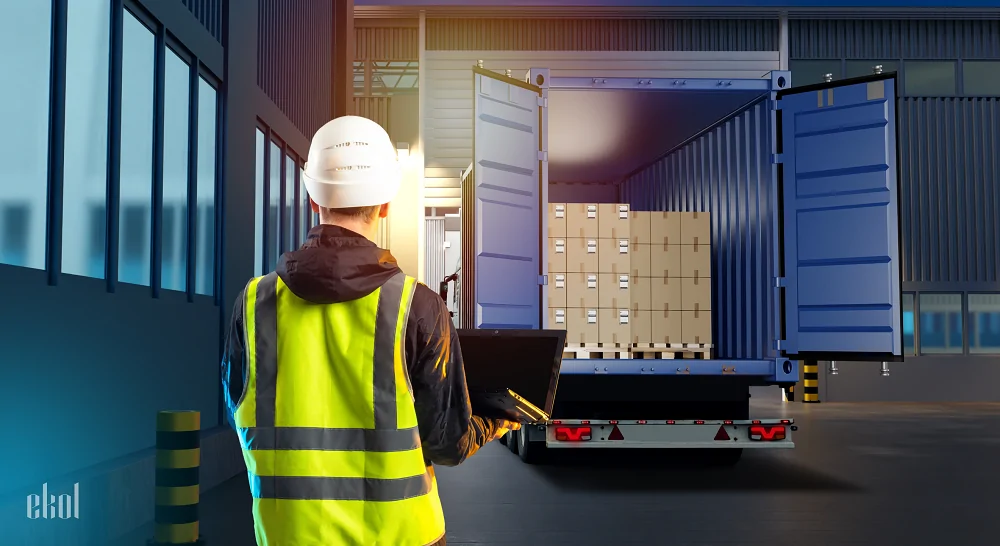
International trade is developing rapidly, and for safe export and import both parties must clearly understand their responsibilities. To avoid misunderstandings, contracts are signed under Incoterms rules, which define who is responsible for transport, loading, risks and costs.
The most common terms are DAP, DDP and DPU. Companies often choose DAP delivery conditions, since they ensure a transparent division of responsibility between the supplier and the buyer, making customs procedures and cargo control easier.
This article will explain the differences between DAP, DDP, DPU and their key features.
DAP (Delivered at Place)
First, let’s clarify what DAP means. Delivered at Place means the supplier is responsible for delivering goods to the agreed destination, while the buyer is responsible for paying import duties.
Transport costs, insurance and other expenses are covered by the seller up to the delivery point. For the buyer, this is convenient: the goods arrive ready for customs clearance.
In the contract, it is important to clearly state the address, transport route, and shipment deadlines. This format suits stable export and import channels.
DDP (Delivered Duty Paid)
Under DDP terms, the supplier takes full responsibility for:
- delivery of goods,
- payment of customs duties and taxes,
- completing customs clearance in the buyer’s country.
All risks and costs remain with the seller until the goods are delivered. This option is convenient when the buyer wants to receive fully processed goods without extra charges.
The contract should also specify shipment deadlines, transport methods, and insurance levels. The carrier is chosen by agreement of the parties. This format is widely used in international trade.
DPU (Delivered at Place Unloaded)
What does DPU (Delivered at Place Unloaded) mean, and how does it differ from the others? Under these terms, the supplier not only delivers the goods but also ensures they are fully unloaded at the destination.
Responsibility and risks remain with the seller until unloading is completed. Customs clearance for import, however, is the buyer’s duty.
The contract must include technical requirements for the unloading site. The carrier is usually chosen by the seller, and transport costs are included in the price of goods.
Differences Between DAP, DDP and DPU
Although the terms sound similar, they divide responsibilities differently. Logistics and costs in international trade can depend entirely on this choice.
| Parameter | DAP | DDP | DPU |
| Who pays duties & taxes | Buyer (import duties) | Seller (all duties & taxes) | Buyer (import duties) |
| Who unloads | Buyer (unless agreed otherwise) | Buyer (by default) | Seller must unload |
| Who bears risks | Seller — until goods are ready for unloading | Seller — until delivery (not including unloading) | Seller — until unloading is complete |
The choice depends on your business specifics, level of experience with customs clearance, and how much control over costs you want. According to the ICC, only around 18% of users are confident they made the right choice of Incoterms conditions — proving the importance of expert consultation before signing a contract.
When to Choose DAP, DDP or DPU
The costs, risks, and delivery times under DAP, DDP and DPU depend entirely on your decision.
| Format | Best for | Advantages |
| DAP | Standard deliveries | Minimal buyer obligations, simple arrangements |
| DDP | Full logistics | Seller covers costs, good for entering new markets |
| DPU | Complex projects | Precise delivery and controlled unloading |
A smart choice of contract terms improves trade efficiency, guarantees safety, and optimises logistics processes.
Risks and Costs to Consider
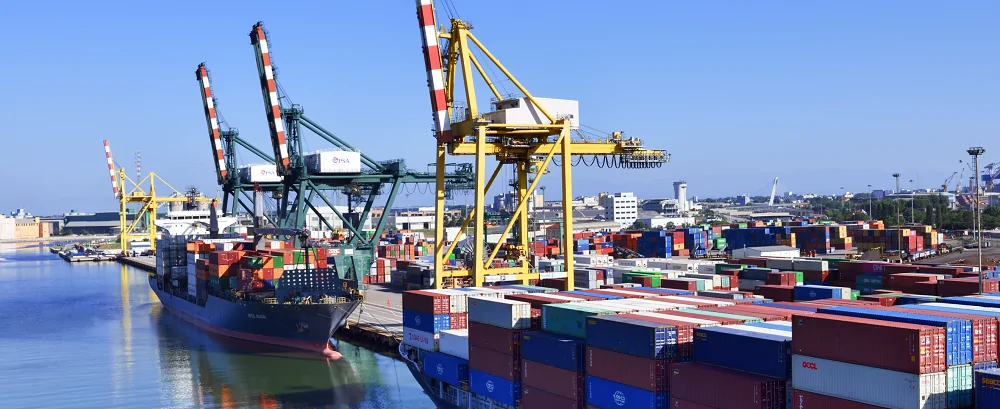
When arranging international deliveries, it is vital to assess potential risks and expenses, since they influence the choice of terms. Pay attention to:
- Transport costs and risks — possible damage or loss. Choose a reliable carrier and arrange insurance.
- Customs duties and paperwork — fines and delays may occur. Work with a broker and complete documents correctly.
- Unloading costs — sometimes extra expenses or delays appear. DPU ensures full control of unloading at remote sites.
- Cargo insurance — partial losses or damage may happen. The solution is comprehensive insurance covering all risks.
- Logistics risks — delays due to workload, weather, or complex routes. Use DDP for full control and always plan extra time.
By calculating potential risks in advance, you can ensure safe international delivery without losses.
How to Choose the Optimal Delivery Terms
Evaluate the main factors that affect costs, risks, and logistics efficiency. Understanding the features of each format will help you optimise supply and maintain control at all stages of transportation.
| Criteria | Description / Advice |
| Delivery cost | Compare carriers’ tariffs, considering type of cargo, volume, weight, and extra services. This strongly affects overall expenses. |
| Customs procedures | Assess document requirements in the destination country. Clarify who is responsible for all duties. |
| Unloading | Control this step. Under DPU the seller unloads; under DAP/DDP the buyer is responsible unless agreed otherwise. |
| Insurance | Choose full coverage — including transport, storage, and damage risks. |
| Delivery time | Plan for unexpected delays due to customs or weather. Time buffers help avoid downtime and penalties. |
Correct use of these principles helps you save resources during transportation. Your goods arrive on time and intact, while the process remains financially efficient.
Conclusions: How to Avoid Mistakes When Choosing Incoterms
Now you know what DAP, DDP and DPU mean and how they differ under Incoterms.
Choosing a reliable partner such as Ekol will help you optimise processes, arrange transport and cost control, and make international operations more transparent and secure. Remember — a trusted logistics provider strengthens your competitiveness and reduces economic risks.
FAQ
What are the delivery times under DAP, DDP, DPU?
Incoterms do not specify exact times — they depend on agreements between the seller and buyer, as well as the chosen carrier and route.
Who is responsible for insurance under Incoterms 2020?
Insurance is not mandatory for either party. However, sellers usually arrange it until goods are handed over.
Are these delivery terms suitable for small businesses or parcel shipments to end customers?
Yes, especially DDP. The seller handles all formalities, including customs and taxes, making it convenient for end buyers.
read more
Similar articles
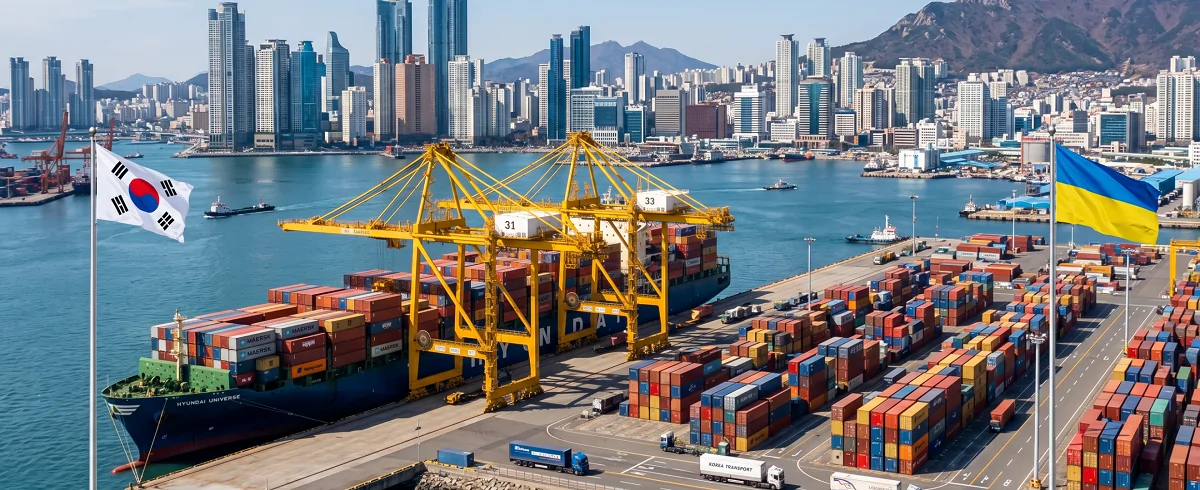
For years, the domestic market relied on purchases from the PRC, but the era of Chinese factory monopoly is gradually coming to an end. Entrepreneurs are turning to other Asian countries, weighing product quality and partner reliability.

Back in 2021, Ukrainian legislation officially regulated the delivery scheme in which several modes of transport are combined for a single route.
For a business, a logistics company is one reliable partner instead of a dozen separate contractors. It handles communication with carriers and quickly resolves force-majeure situations on the road

Without reliable delivery, a farmer’s harvest won’t reach the market on time. A logistics company for a farmer is not just a service provider — it’s a partner on whom the financial outcome of the season depends.

On the night of July 19, 2026, a massive missile attack severely damaged the Ekol Logistics distribution center located in the AMTEL logistics complex.
The changes for Ukrainian exporters in 2026 concern not only export clearance procedures but also the organization of shipments to EU countries.

Anna
Business development manager

Volodymyr
Business development manager

Artur
Business Development Manager
