

Carbon Tax CBAM 2026: How Ukrainian Logistics Providers Can Avoid Being “Pushed Out” of the EU Market

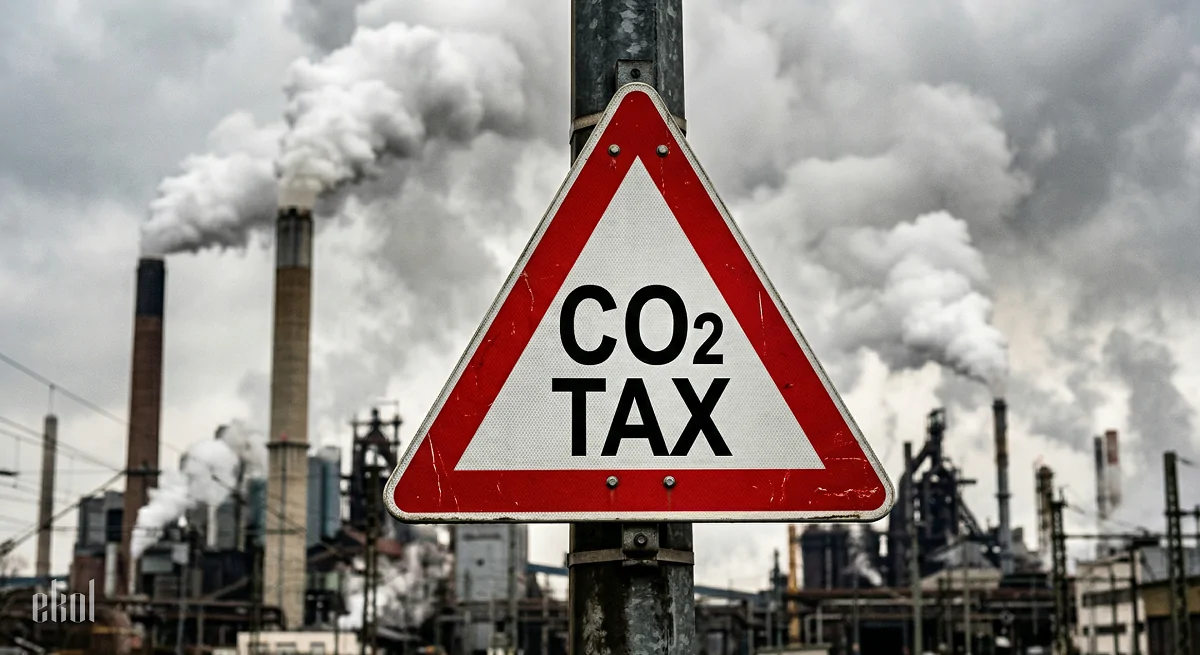
The European market has always attracted Ukrainian business, but the rules of the game are becoming increasingly stricter. If previously the key factors were delivery speed and price, today “environmental cleanliness” of the product is coming to the forefront. Very soon, the carbon tax CBAM 2026 will become a real challenge for everyone involved in supply chains to Europe. This is not just another bureaucratic fee, but a full-fledged instrument of economic pressure designed to level the playing field between European manufacturers and importers from third countries.
What Is the CBAM Carbon Tax?
Let us examine in detail what CBAM (Carbon Border Adjustment Mechanism) is. It is a carbon border adjustment mechanism, which in fact is a tax on the import of goods with a high level of greenhouse gas emissions. The logic of Brussels is simple: European factories pay for pollution within the internal quota system (ETS), therefore goods from outside the EU, where environmental standards are weaker, must be subject to a similar charge.
The EU carbon tax operates through the purchase of certificates, the cost of which is tied to the current price of CO₂ emissions in Europe. This mechanism is intended to prevent the so-called “carbon leakage,” when production is relocated to countries with more lenient legislation.
How Does CBAM Affect Ukrainian Logistics Providers?
For Ukraine’s logistics sector, the carbon tax CBAM 2026 means a global transformation. We can no longer consider transportation separately from production. The carbon tax for exporters directly affects the logistics component:
- Supply chain transparency. It is now necessary to know not only “where from” and “where to,” but also “how” the goods were produced.
- Documentation burden. Logistics companies are becoming aggregators of data on the carbon footprint during transit.
- Route revision. Optimization of mileage and the use of energy-efficient transport are becoming a matter of survival.
As an Ekol specialist noted: “CBAM is about a full audit of energy efficiency. If your logistics cannot provide data on emissions during transportation, your exporter client will lose the contract in the EU.” Global changes in logistics chains will require operators not only to acquire new vehicles, but also to develop deep expertise in environmental law.
CBAM Requirements for Companies Working With the EU
The regulation clearly defines the list of sectors subject to direct regulation. These are the so-called “dirty” industries that have the greatest impact on the climate:
| Industry | Main products | Criticality for logistics |
| Metallurgy | Steel, pig iron, iron | The highest volume of transportation |
| Cement industry | Clinker, finished cement | Requires specialized transport |
| Chemicals and fertilizers | Ammonia, nitrogen fertilizers | Complex storage and reporting conditions |
| Energy | Electricity | Predominantly cross-border networks |
| Aluminum | Aluminum products | High cost of the logistics leg |
Ukrainian metallurgy provides the lion’s share of exports to Europe, therefore this sector will be the first to feel the EU CO₂ emissions tax. Any delay in reporting will lead to the suspension of cargo at customs posts. High import tariffs on products without proper certification may render domestic metal uncompetitive.
How to Prepare for the CBAM Carbon Tax?
The question of how to prepare for CBAM must become a priority already today. The transitional period is ongoing, but in 2026 financial obligations become fully operational. According to Ekol experts, businesses should act according to the following algorithm:
- Implement a monitoring and verification system for emissions (MRV) at the enterprise.
- Conduct an audit of logistics partners for compliance with environmental standards.
- Study the procedure for registration in the EU register of authorized declarants.
- Use international transportation that takes into account the principles of sustainable mobility.
Ignoring these steps today will turn tomorrow’s exports into excessively expensive ones.
Strategies for Reducing the Carbon Footprint in Logistics
To reduce the tariff burden, it is necessary to physically decrease emission volumes. This is achieved through comprehensive engineering and management solutions:
- Fleet modernization. Transition to Euro-6 standard engines, and in the long term – to hydrogen or electric traction.
- Multimodal solutions. Using rail instead of road transport over long distances significantly reduces CO₂ per ton of cargo.
- Intelligent systems. Implementation of AI to optimize vehicle loading, eliminating “empty” runs.
It is this combination of innovations that transforms environmental constraints into real fuel savings, allowing a company to reduce the cost of each delivered cubic meter of cargo.
Importance of Certifications and Environmental Standards
Today, greenlogistics is not a marketing move, but a pass to the international market. The presence of ISO 14001 certificates or specific environmental declarations allows exporters to qualify for tax benefits or accelerated control procedures.
“We see the future in transparency. Companies that invest in emissions monitoring today will become monopolists in the European direction tomorrow, as they will be able to provide the client with a full package of data for the CBAM declaration,” notes a leading analyst at Ekol.
How to Avoid Fines and Sanctions in the EU Market
The regulatory mechanism provides for strict restrictions for those who attempt to conceal real figures. The fine for each ton of emissions not covered by a certificate may exceed the price of the goods several times and is calculated as three times the average annual price of CBAM certificates. To avoid financial losses, Ukrainian companies must:
- Ensure data accuracy in reports by conducting direct measurements.
- Submit quarterly reports on time during the transitional period (even if the tax is not yet paid).
- Use the services of accredited verifiers whose reports are recognized in the EU.
Ultimately, any attempt to save on measurement accuracy today may result in colossal losses tomorrow.
Prospects for Ukrainian Logistics Companies After 2026
Despite all the challenges, the CBAM carbon tax 2026 opens a window of opportunity. Ukraine has a chance to modernize its industrial base faster than competitors from Asia or Africa due to geographical proximity and integration processes.
Logistics businesses that adapt to the new realities will be able to offer a premium “carbon-neutral delivery” service, which will become a key advantage in tenders of large European corporations. The market will be reformatted: the most technologically advanced and environmentally responsible players will survive.
Conclusion
The implementation of CBAM is an inevitable stage of Ukraine’s integration into the common European space. Yes, it requires investment in monitoring and new equipment, but at the same time it is a stimulus for the development of high technologies in logistics. Ekol is already helping its partners build supply chains that meet the requirements of tomorrow. Only a systematic approach and understanding of environmental standards will allow Ukrainian businesses not only to remain in the EU market, but also to take leading positions there.
FAQ
Which industries will be most affected by the introduction of CBAM in the EU?
The most affected will be energy-intensive industries: ferrous metallurgy (steel, pig iron), aluminum production, cement, chemical fertilizers, and electricity generation. Hydrogen and certain processed metal products are also under scrutiny.
How does CBAM change the rules of international trade for Ukrainian companies?
CBAM effectively eliminates the concept of “cheap exports” achieved by ignoring environmental standards. Now the price of goods at the EU border will directly depend on their carbon footprint. This forces companies to fully digitalize emissions reporting across the entire production chain.
Does CBAM affect transit cargo through the territory of Ukraine?
If goods only transit through Ukraine and their final destination is a country outside the EU, the tax is not charged. However, if Ukraine acts as a hub for processing or consolidation of products that are then sent to Europe, the carbon footprint at this stage must be recorded.
read more
Similar articles
For a business, a logistics company is one reliable partner instead of a dozen separate contractors. It handles communication with carriers and quickly resolves force-majeure situations on the road

Without reliable delivery, a farmer’s harvest won’t reach the market on time. A logistics company for a farmer is not just a service provider — it’s a partner on whom the financial outcome of the season depends.

On the night of July 19, 2026, a massive missile attack severely damaged the Ekol Logistics distribution center located in the AMTEL logistics complex.
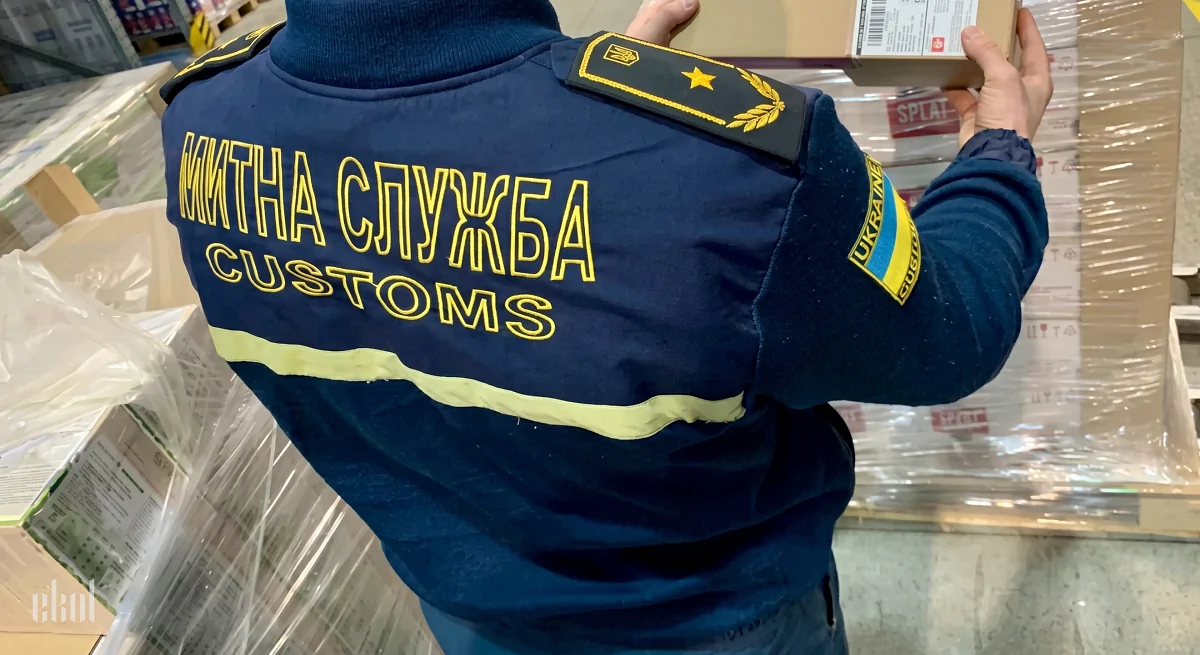
The changes for Ukrainian exporters in 2026 concern not only export clearance procedures but also the organization of shipments to EU countries.
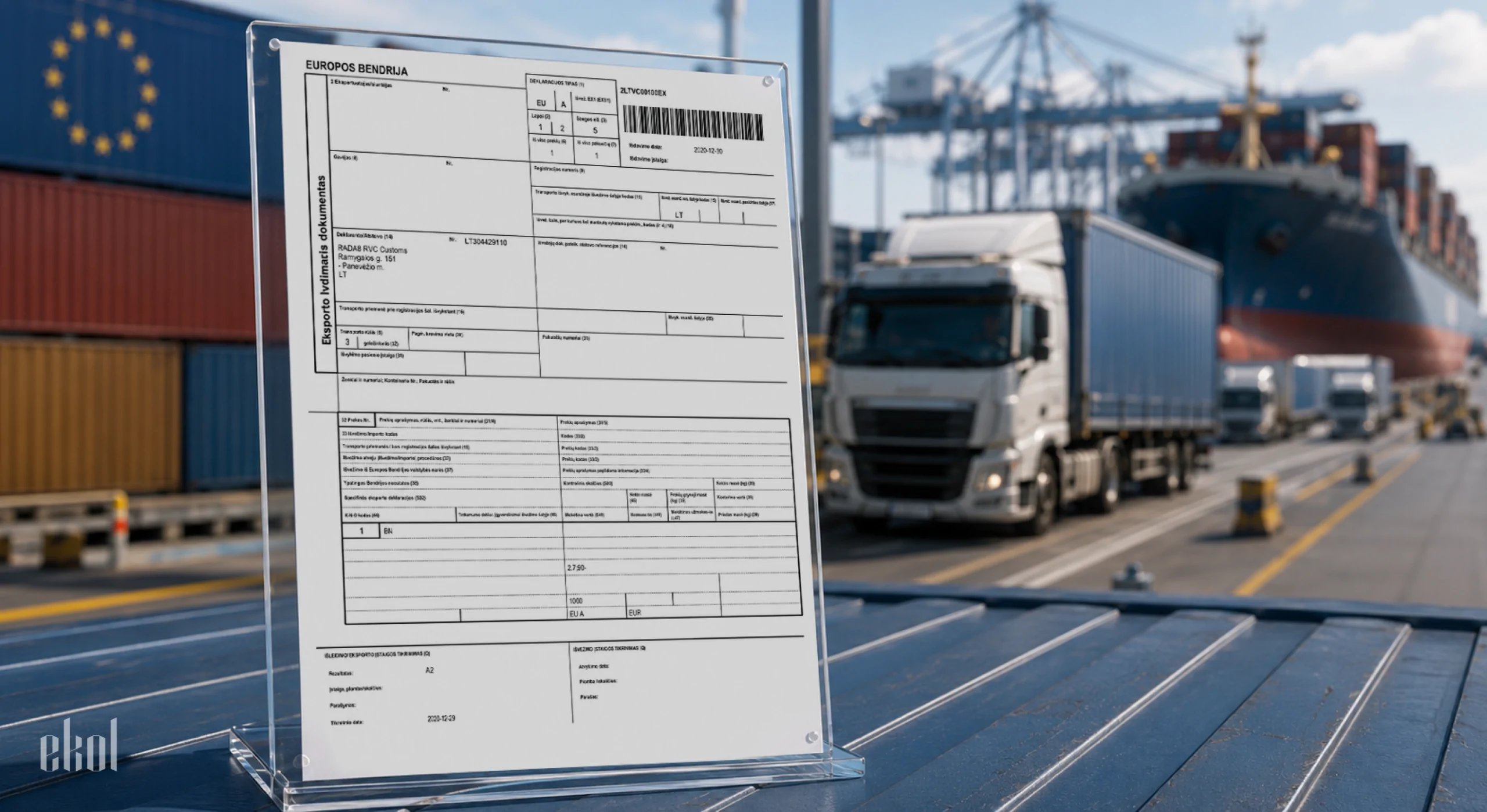
Export requires proper customs clearance and document preparation. For businesses, it is important not only to deliver the goods but also to successfully complete all procedures when crossing the border.
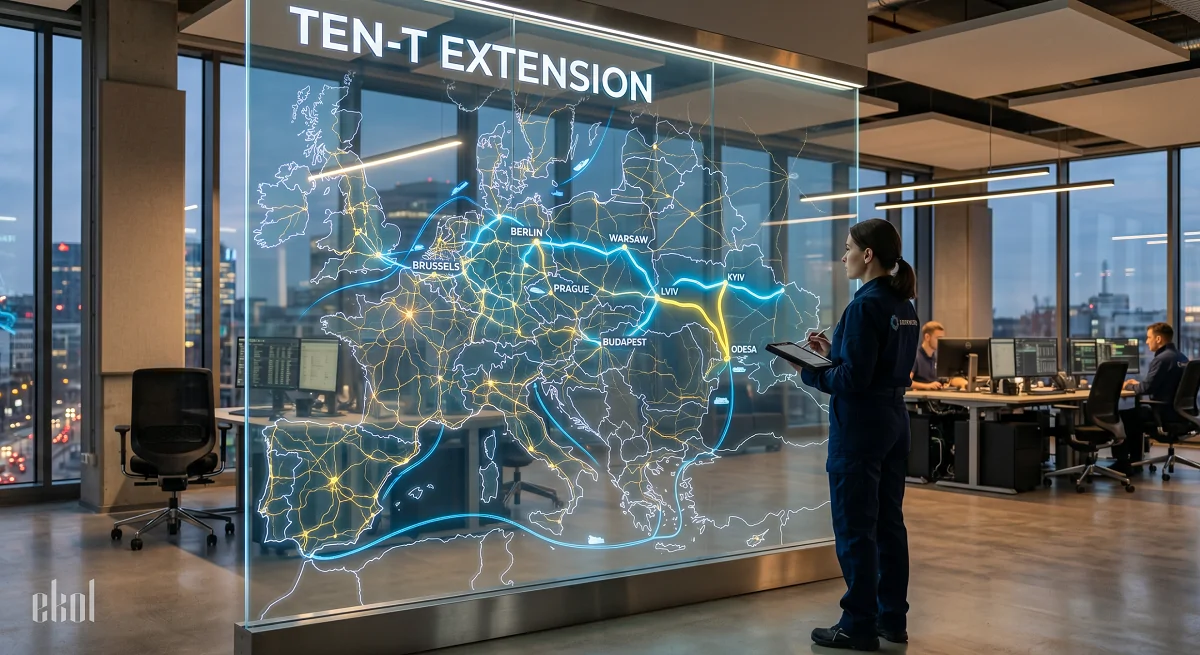
Entering the European Union market opens significant opportunities for Ukrainian companies. However, the success of such expansion depends on the ability to establish proper logistics.

Anna
Business development manager

Volodymyr
Business development manager

Artur
Business Development Manager
