

It is a global system for delivering goods using a specialized fleet of vessels.
Sea Freight: Your Reliable Gateway to Global Markets
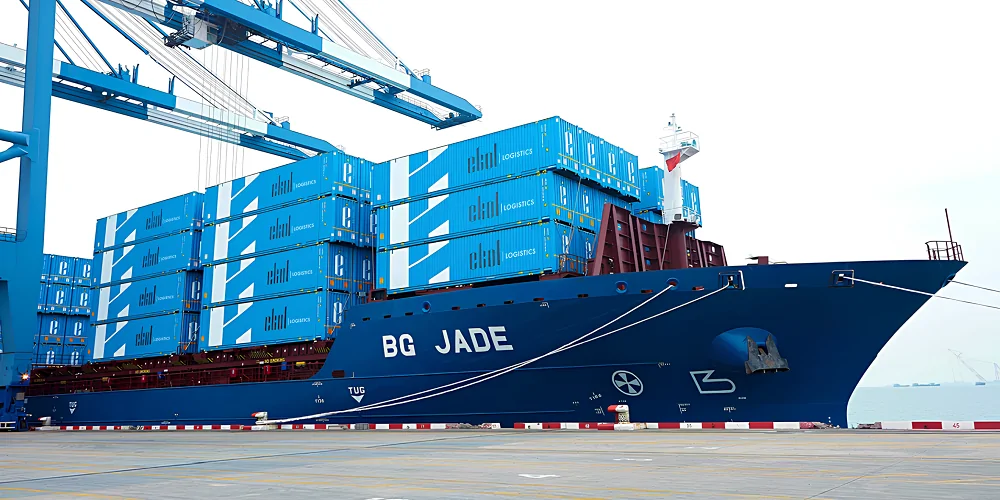
Sea freight with Ekol is a combination of strategic planning and world-class logistics standards. We ensure stable connections between continents, offering optimal routes, competitive freight rates, and complete cargo security at every node of the maritime journey.
About the service
Maritime logistics with Ekol transforms ocean distances into a clearly managed business process. We handle all complex stages: from vessel chartering to port forwarding. Our expertise allows for minimizing risks and costs, empowering you to scale your business without borders.
What We Offer
 ?>
?>
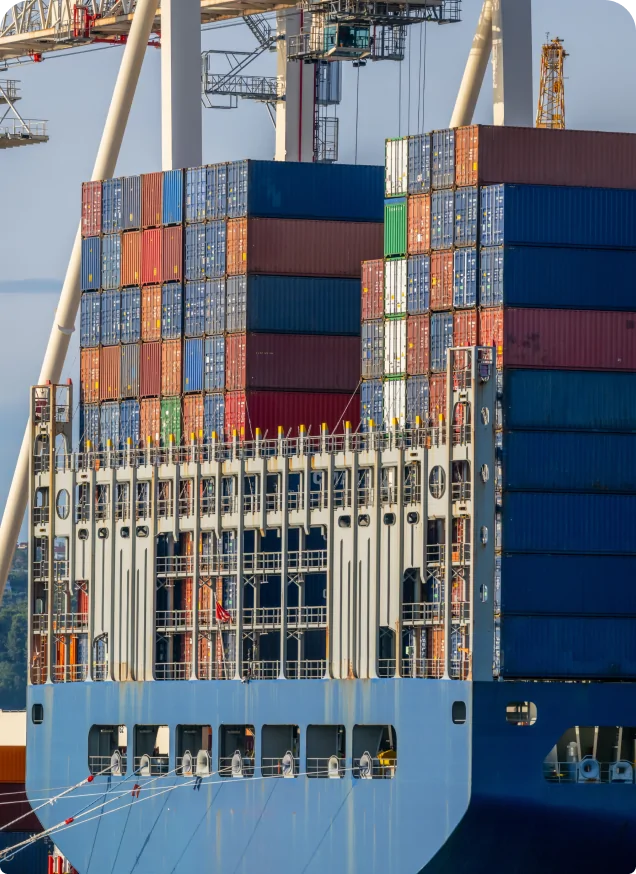
Full Container Load (FCL)
We organize the delivery of full containers for large shipments. This guarantees maximum security, optimal lead times, and the best tariff conditions thanks to direct contracts with major shipping lines.
 ?>
?>
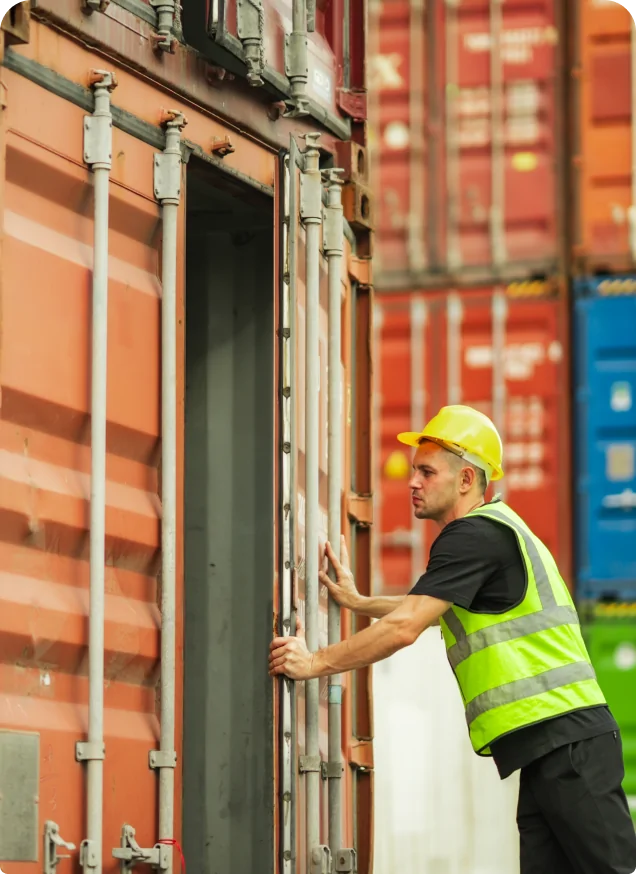
Less than Container Load (LCL)
An efficient solution for smaller shipments. You only pay for the space your cargo occupies in a shared container, significantly optimizing costs without losing shipping regularity.
 ?>
?>
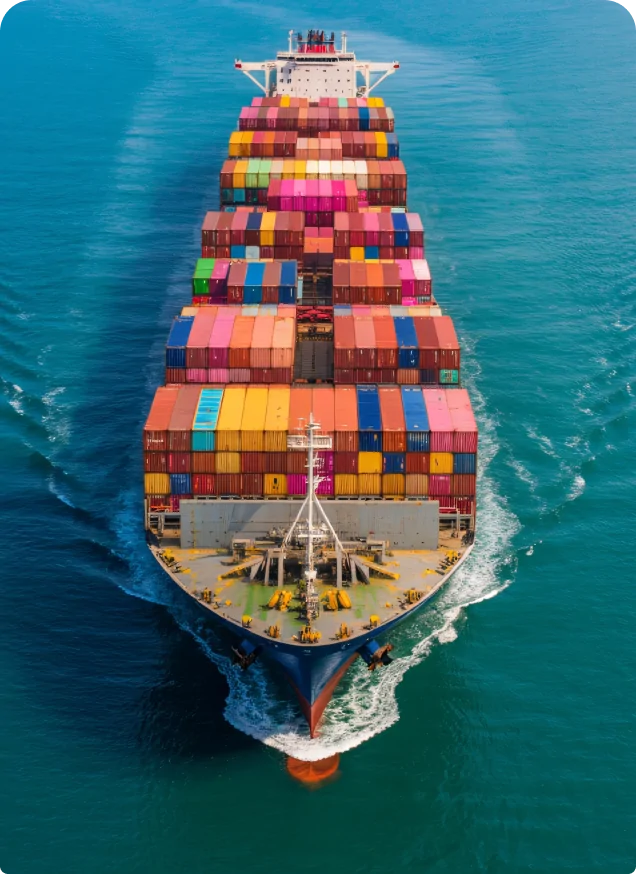
International Sea Freight
We provide global coverage, connecting key ports in Europe, Asia, America, and Africa. Our network of agents ensures the seamless movement of cargo regardless of the route’s complexity.
 ?>
?>
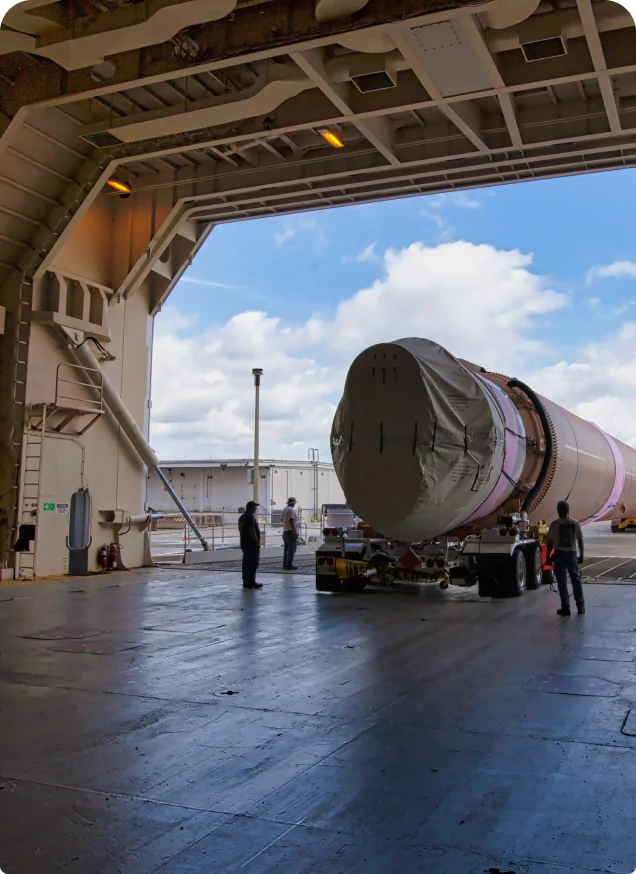
Oversized and Project Cargo
Professional transportation of industrial equipment and heavy machinery. We develop customized securing and loading schemes for non-standard objects, ensuring their absolute integrity.
 ?>
?>
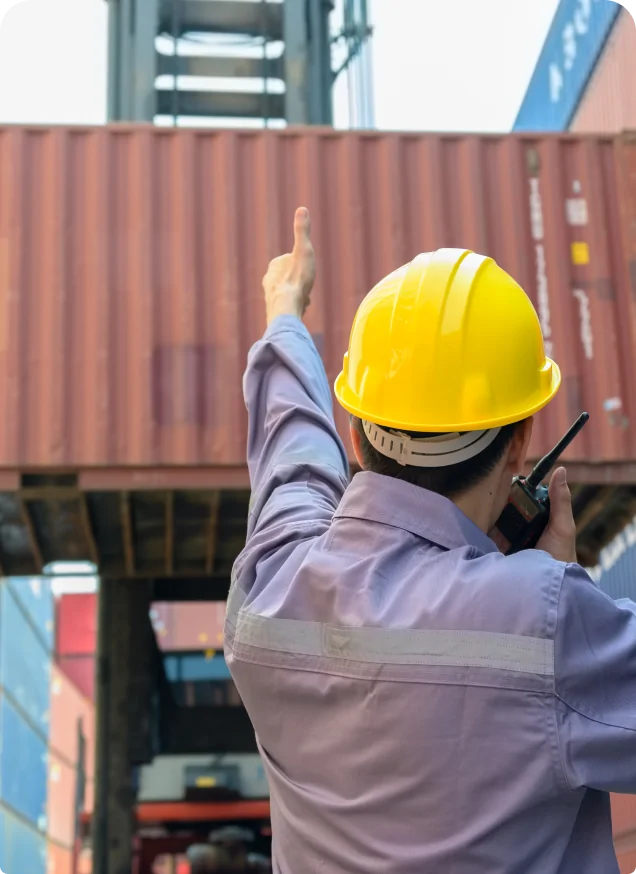
Port Cargo Handling
A full range of port services: from professional transshipment and temporary storage to sorting. We monitor every movement within the terminal to avoid delays or damage.
 ?>
?>
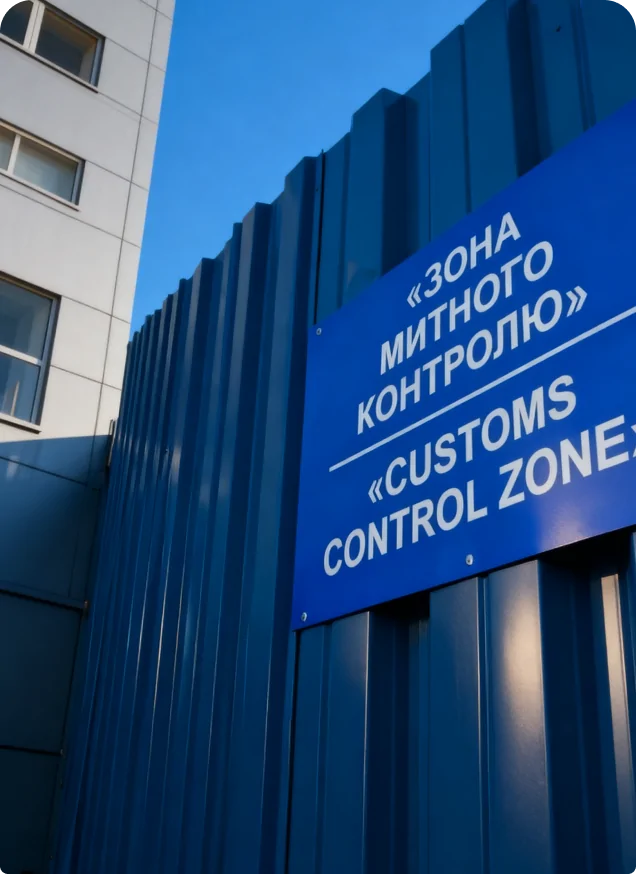
Customs Support
Our experts handle document preparation and all customs formalities. We guarantee legal compliance and swift cargo clearance when crossing international borders.
 ?>
?>
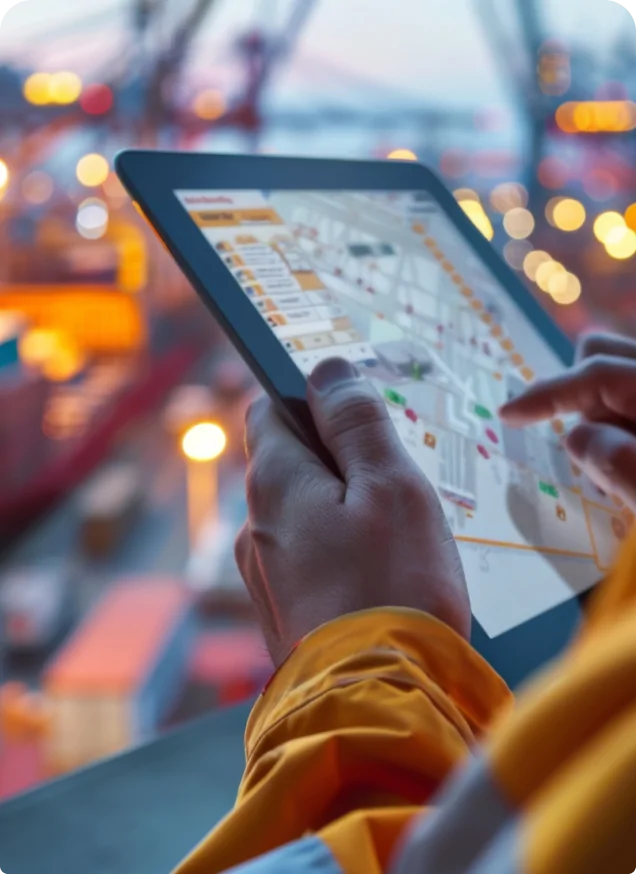
Cargo Control and Tracking
Modern IT systems allow you to monitor the status and location of your container in real time. You always have up-to-date information for precise business planning.
 ?>
?>
Route Optimization
We analyze deadlines, costs, and cargo specifics to offer the most efficient path. We strike a balance between speed and price, adapting the route to your specific business goals.
Sea Freight
Maritime freight transport is a method of international delivery for large shipments that provides the lowest freight cost per unit of goods. Ekol Logistics organizes sea container transportation through leading ports in Europe and Asia with full cargo support, including customs procedures and insurance.
Main Types of Sea Freight
There are two primary types of sea container transportation:
- FCL (Full Container Load) – Transporting cargo in a dedicated container for a single client. This is advantageous for large shipments and ensures direct delivery without delays.
- LCL (Less than Container Load) – Transportation in a consolidated container where space is shared among multiple shippers. This is optimal for smaller batches.
| Parameter | FCL (Full Container Load) | LCL (Less than Container Load) |
| Cargo Volume | From 15–20 m³ | Up to 13–15 m³ |
| Timeframe | Faster (no consolidation needed) | Longer (requires time for consolidation) |
| Damage Risk | Minimal (dedicated container) | Higher (due to transshipment) |
| Unit Tariff | Lower | Higher (due to handling costs) |
Depending on the type of cargo, various types of sea vessels may be used: container ships, refrigerated ships (reefers), Ro-Ro (roll-on/roll-off) vessels, tankers, and bulk carriers.
Advantages and Disadvantages of Sea Freight
Key benefits of transporting cargo by sea:
- Lowest rates compared to other modes of transport;
- Ability to transport goods with virtually no weight or volume restrictions;
- Eco-friendliness;
- Ease of integration into multimodal transportation, combining sea with land-based transport.
Transporting goods by sea also has certain drawbacks—primarily a longer delivery period (from 10 to 40 days or more depending on the route) and risks of delays caused by weather conditions, port congestion, or customs issues.
Expert Insight from Ekol Logistics: “The main risk in maritime logistics is the unpredictability of port processing times. Therefore, we recommend building safety buffers into the schedule and utilizing multimodal schemes for ‘last mile’ delivery to offset potential port delays.”
The Process of Organizing Maritime Transport
As an experienced freight forwarder, Ekol Logistics manages international maritime shipping and handles the entire process. For maximum efficiency, the procedure is divided into several sequential stages:
- Route calculation and carrier selection.
- Booking space on the vessel.
- Delivery of cargo to ports and consolidation (if required).
- Customs clearance procedures.
- Loading and the actual transit.
- Unloading at the port of destination.
- Organization of delivery to the client’s warehouse (often within multimodal schemes).
Costs and Tariffs for Sea Freight
Rates for international maritime freight depend on the container type, load volume, route, ports, weight, nature of the goods, and seasonality. Additional costs include terminal handling charges (THC), documentation, and insurance. Ekol Logistics clients receive a detailed and transparent cost breakdown during the negotiation stage.
Cargo Security During Sea Transit
Ekol Logistics guarantees high standards of cargo protection. Security is achieved through a combination of durable containers, professional lashing/securing, and mandatory marine risk insurance.
Documentation and Customs Procedures
We handle all tasks related to the issuance of Bills of Lading (B/L) and customs support. Furthermore, the use of Free Port zones allows our clients to optimize tax expenses during transit.
Maritime transport with Ekol Logistics is an effective tool for businesses to enter the global market, backed by the support of professional logisticians.

CUSTOMER REVIEWS
What Our Partners Say
More than 500 companies trust Ekol with their freight transportation—here’s what they have to say
“
Ekol’s ocean freight services are the most cost-effective way to transport large volumes over long distances. Flexible FCL and LCL options, coordinated transshipment at ports, and reliable schedules. We recommend them as a reliable partner.
“
Intercontinental shipments with Ekol are reliable and transparent: partnerships with leading carriers, secure storage during transit. Logistics costs are lower. We’re satisfied with the partnership and highly recommend them.
“
Ekol’s sea routes offer a balance of price and reliability. They handle all port transshipments, stick strictly to schedules, and keep cargo safe. Everything is as transparent as possible. We recommend this team to our colleagues.
500+
satisfied customers
4.9/5
average rating
98%
on-time deliveries
15+
years in the market
FAQ
1
What is maritime freight transport and how does it work?
2
What are the benefits of sea freight for business?
The primary advantage is the lower cost of delivering a unit of cargo over long distances.
3
What are the main types of vessels used for sea freight?
The most common are container ships, tankers, reefers, and Ro-Ro vessels.

Volodymyr
Business development manager

Anna
Business development manager
Our industries
Industry solutions
We adapt logistics to the realities of each industry: we automate processes, introduce innovations, and accelerate development.

Food products
Learn more
Temperature control, traceability, compliance with quality standards and reliable delivery to retail and HoReCa

Humanitarian projects
Learn more
Flexible logistics in crisis conditions – fast, transparent, safe, in accordance with international standards

FMCG
Learn more
Stable supply, optimization of logistics costs, inventory rotation and readiness for promotional demand
Fashion Retail
Learn more
Quick launch of collections, adaptation to seasonality, full control of logistics.
