

It is the transportation of goods in wagons via rail along fixed routes and schedules.
Rail Container Transportation Reliable long-distance delivery in containers
We offer an optimal balance of cost and speed, ensuring cargo safety through unified international packaging and handling standards
About the service
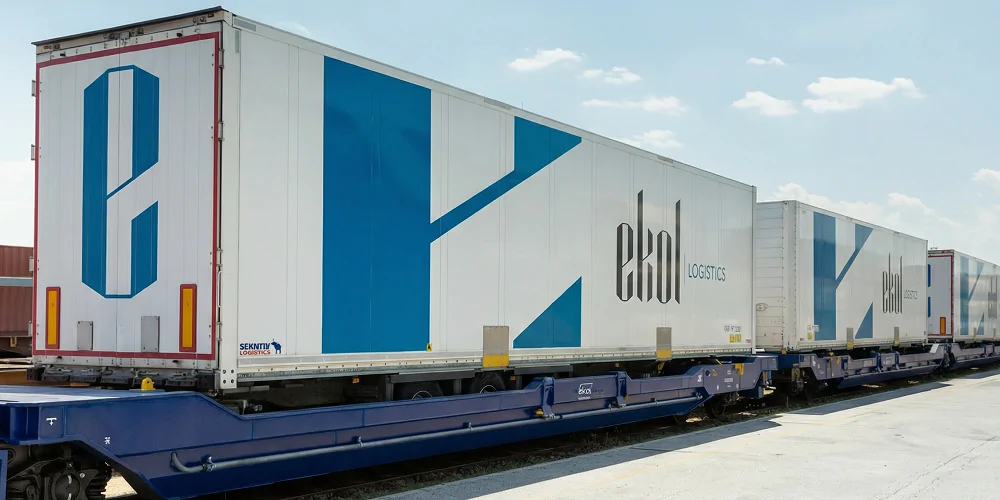
With Ekol, rail transport becomes part of an efficient global network. We organize door-to-door delivery by integrating railways with other modes of transport. Our approach ensures strict adherence to schedules, environmental sustainability, and significant savings on your logistics budget.
What We Offer
 ?>
?>
Container rail transport
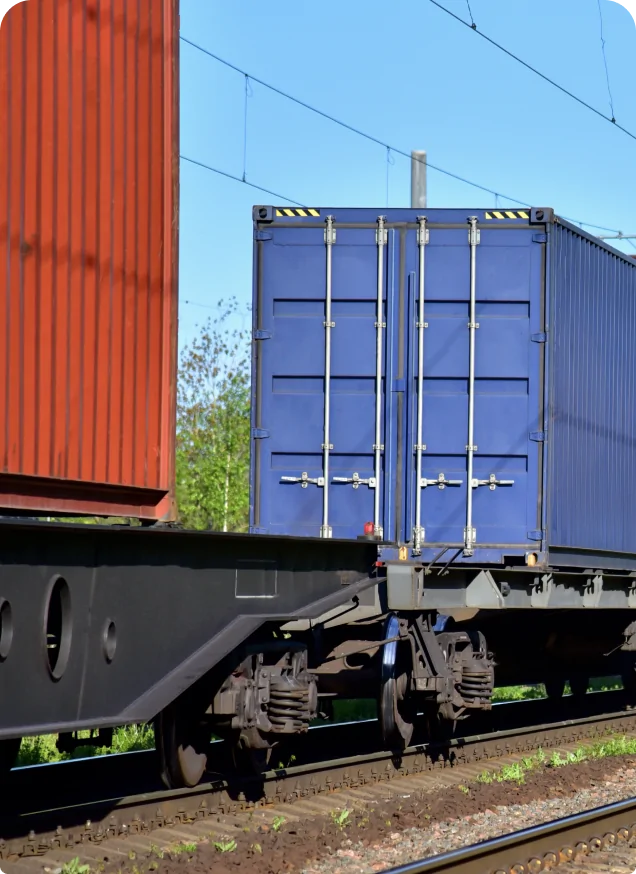
Reliable long-distance container shipping. We offer the best balance of cost and delivery time, ensuring the safety of your goods through standardized packaging.
 ?>
?>
International rail transport
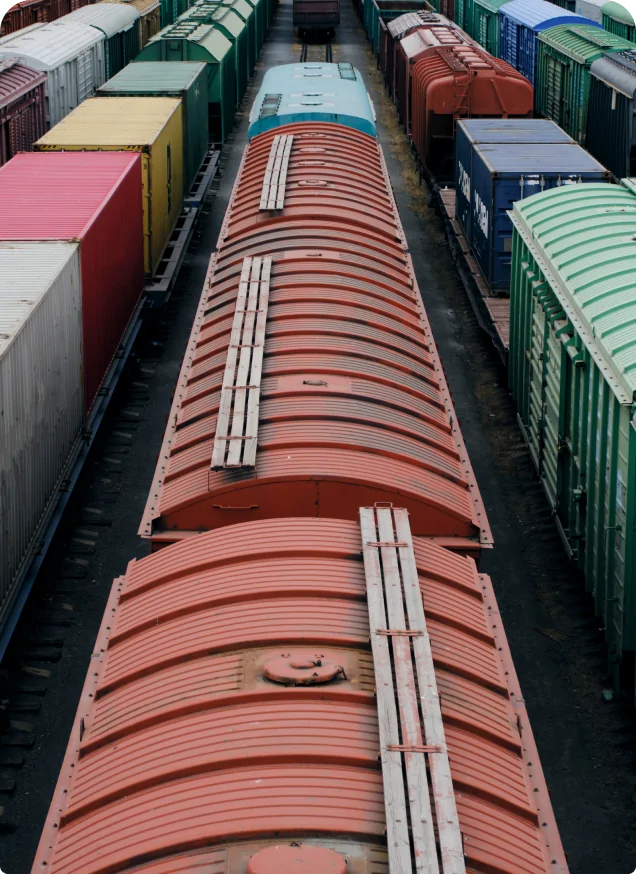
Efficient transportation services between Europe and Asia. Our network of routes ensures seamless connectivity, enabling the prompt delivery of goods across national borders.
 ?>
?>
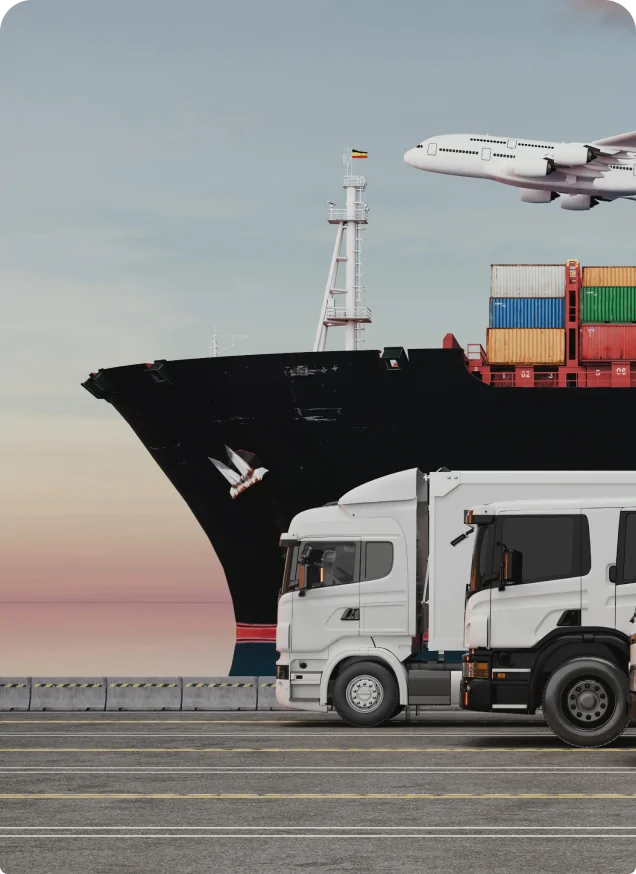
Regular container trains
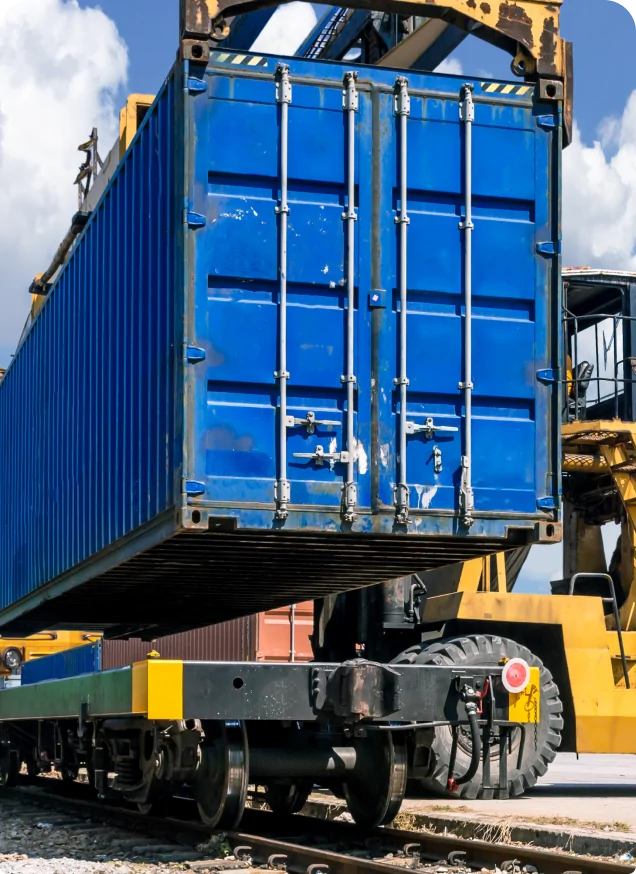
Transportation on a regular schedule with predictable arrival times. Using fixed routes allows for precise planning of supply chains and helps avoid delays during transport.
 ?>
?>
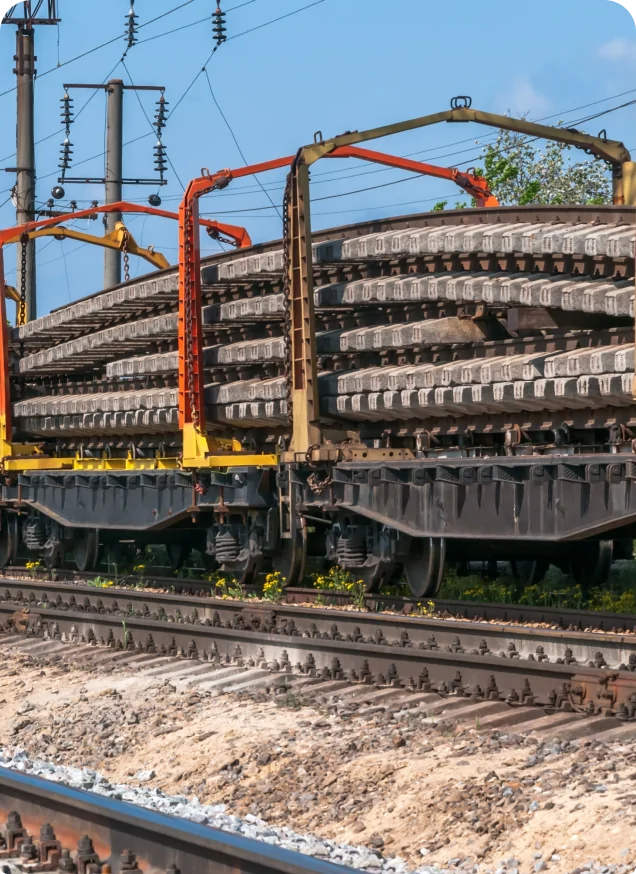
Multimodal logistics solutions
Flexible integration of rail with sea, road, or air transport. We design multimodal routes that ensure maximum speed and cost-effectiveness for your business.
 ?>
?>
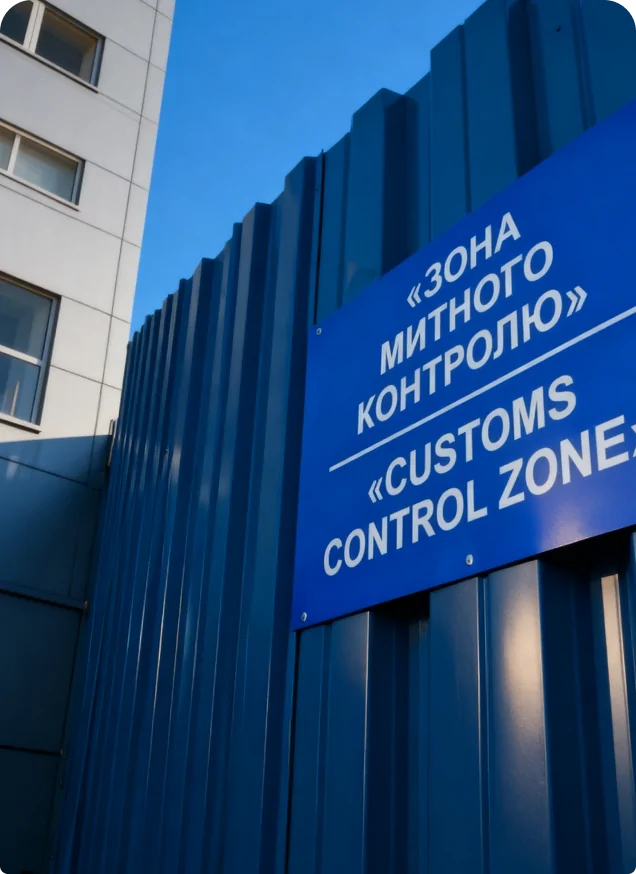
Transportation of project cargo
Transportation of industrial equipment, heavy machinery, and large structures. We develop customized securing plans and logistics strategies for oversized shipments of any complexity.
 ?>
?>
Customs clearance for shipments
Professional document preparation and oversight of customs procedures. Our experts ensure compliance with all regulations, which significantly speeds up border crossings and reduces your costs.
 ?>
?>
Optimization of logistics routes
Analysis and selection of the most cost-effective transportation routes. We take into account delivery times, costs, and technical infrastructure considerations to find the best solution for each specific request.
 ?>
?>
Cargo Monitoring and Tracking
Full tracking of cargo movement throughout the entire route. You receive real-time updates on the location of railcars, ensuring logistics transparency and delivery reliability.
Rail Freight
Railway transport is one of the most reliable and cost-effective ways to transport large volumes of cargo over medium and long distances. It maintains a stable schedule regardless of road conditions or seasonal restrictions. Ekol Logistics offers a wide range of transport solutions for business—from organizing one-time shipments to building regular logistic chains between Ukraine and Europe.
Advantages of Railway Freight Transport
Compared to other modes of transport used in logistics, rail freight offers several distinct benefits:
- Cost-effectiveness – The freight rate is lower than in the air and road transport segments.
- Reliability – Delivery schedules do not depend on traffic jams or road conditions.
- High Capacity – A single railcar can replace 3–4 trucks.
- Eco-friendliness – Minimal carbon footprint.
- Safety – The risk of cargo damage in a rail container is minimal.
- Efficiency in combining modes of transport – they integrate seamlessly into the multimodal transport chain; thanks to containerization, cargo travels the “sea–rail–warehouse” route without the risk of damage during transshipment.
Types of Cargo for Railway Transport
Railways are suitable for transporting various types of cargo. Depending on the specifics of the goods, the operator selects the appropriate type of rolling stock:
| Cargo Type | Wagon/Car Type |
| Bulk (grain, coal, crushed stone) | Gondola car, Hopper |
| Containerized goods | Fitting platform |
| Liquids, petroleum products | Tank car |
| Oversized, heavy loads | Schnabel car, Platform |
| General cargo | Covered/Boxcar |
Key Stages of Railway Transportation
The process of transporting cargo via rail with Ekol Logistics consists of the following stages:
- Request and Planning – Coordination of the route, deadlines, tariffs, and type of rolling stock.
- Documentation – Preparation of papers, packaging, labeling, and shipping registration with an Ekol Logistics forwarder.
- Loading – Loading goods at the departure station and inspecting the fastenings.
- Delivery – Final delivery of the cargo to the recipient.
Costs and Tariffs for Rail Freight
Rail freight tariffs are calculated based on the type and weight of the goods, distance, chosen route, urgency, and additional services (insurance, customs clearance). For example, the longer the transportation distance, the cheaper the cost per ton-kilometer becomes. Additionally, using a platform instead of a covered wagon can result in a price difference of up to 30–40%.
Expert Insight from Ekol Logistics: “On routes exceeding 800 km, rail consistently wins on cost, even with medium shipment volumes. For clients transporting 3–5 containers monthly, it is more profitable to consider rail or multimodal delivery. Compared to other options, this can provide savings of up to 25–30%.”
Security of Railway Freight
Railway transport has the lowest accident rate among all land-based modes of transport. Boxcars protect goods from environmental and mechanical factors while eliminating the risk of theft. To further enhance security, Ekol Logistics provides cargo insurance and monitors every stage of the route in compliance with international standards. For dangerous goods, transportation is performed with a mandatory emergency card.

CUSTOMER REVIEWS
What Our Partners Say
More than 500 companies trust Ekol with their freight transportation—here’s what they have to say
“
Ekol Rail offers the perfect balance between speed and cost for large shipments. It provides regular service, is not affected by weather, and is safe. We recommend it as a reliable partner for freight transportation.
“
We ship large volumes by rail with Ekol to Asia and are very satisfied: fully computerized dispatch, railcar tracking, and clear transit documentation. It’s cost-effective and reliable. We work with them regularly and highly recommend them.
“
Ekol’s rail transport services are integrated into multimodal routes that include a transfer to trucks for final delivery. Everything runs smoothly, delivery times are reliable, and the cargo is safe. It’s eco-friendly. We highly recommend this team.
500+
satisfied customers
4.9/5
average rating
98%
on-time deliveries
15+
years in the market
FAQ
1
What is railway freight transport and how does it work?
2
What types of cargo are transported by rail?
By selecting the optimal wagon type, almost anything can be transported: from bulk goods, liquids, and chemicals to oversized and heavyweight cargo.
3
What are the advantages of rail transport compared to other modes?
The main advantages are lower prime costs over long distances and independence from road traffic situations.

Volodymyr
Business development manager

Anna
Business development manager
Our industries
Industry solutions
We adapt logistics to the realities of each industry: we automate processes, introduce innovations, and accelerate development.

Food products
Learn more
Temperature control, traceability, compliance with quality standards and reliable delivery to retail and HoReCa

Humanitarian projects
Learn more
Flexible logistics in crisis conditions – fast, transparent, safe, in accordance with international standards

FMCG
Learn more
Stable supply, optimization of logistics costs, inventory rotation and readiness for promotional demand
Fashion Retail
Learn more
Quick launch of collections, adaptation to seasonality, full control of logistics.
