

Complete cargo security, faster transit, and lower transportation cost per unit of goods.
FCL solutions for complete control over large volumes of cargo
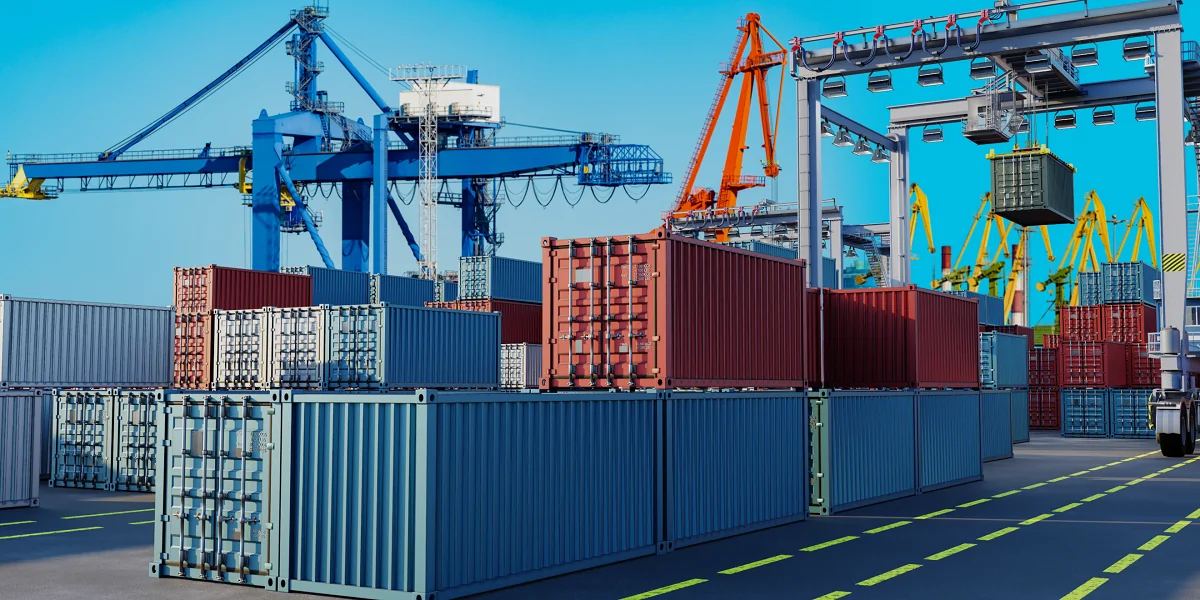
Ekol organises FCL (Full Container Load) delivery for companies that prioritise safety, speed and predictability. Specialised containers, optimised routes and comprehensive logistics support enable us to minimise risks and ensure the integrity of your cargo.
About the service
Ekol’s FCL delivery offers a personalized approach to large cargoes. We provide efficient planning, monitoring at every stage and strict adherence to agreed transit times.
What We Offer
 ?>
?>
Turnkey FCL
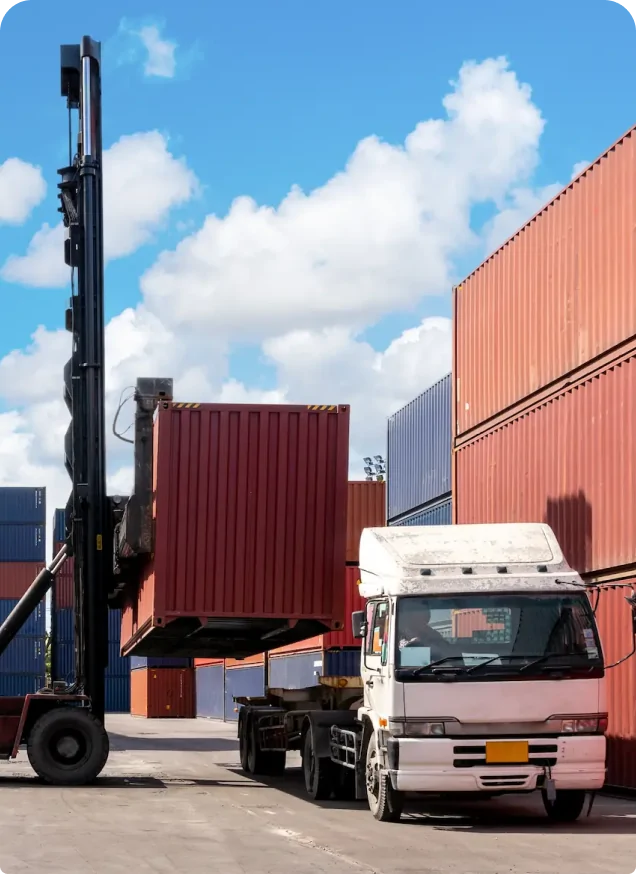
Transportation We provide full support for container shipping: from booking vessel space to final warehouse delivery. We handle all organizational aspects of your logistics, ensuring a seamless process.
 ?>
?>
Optimal Equipment Selection
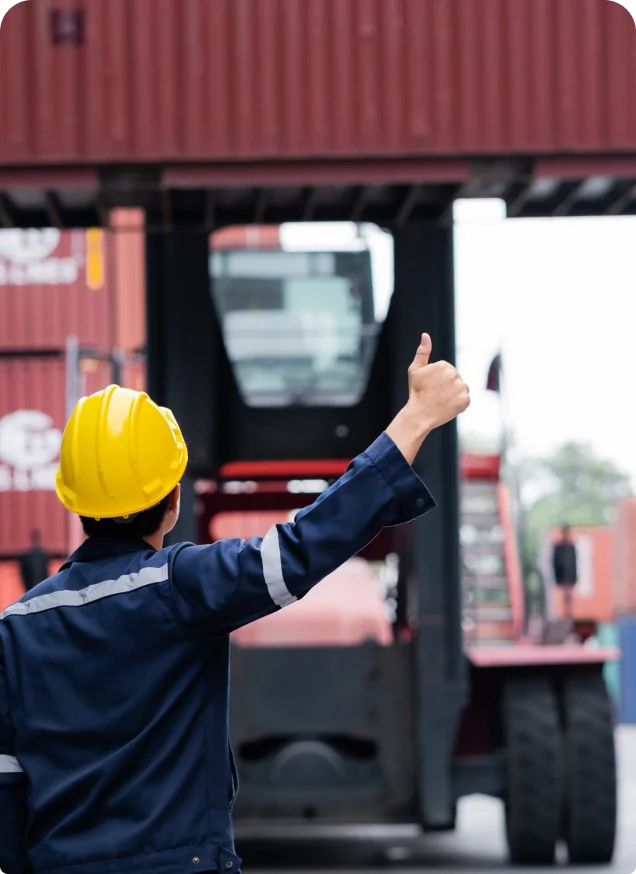
We help you choose the right container type (20’, 40’, HC, or Ref) and route based on cargo specifics. Our priority is the perfect balance of cost, lead time, and transport safety.
 ?>
?>
Direct Ocean Freight
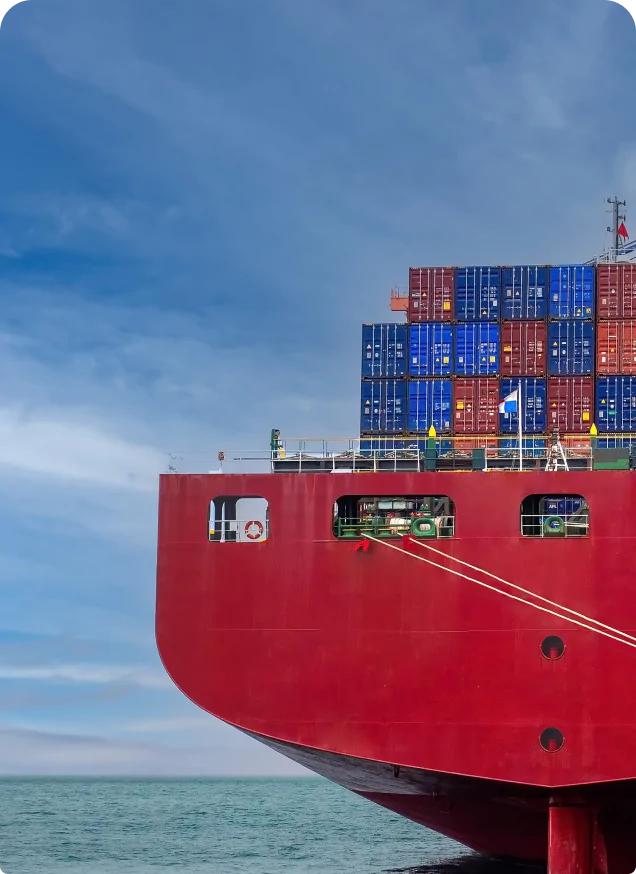
Partnering with world-leading shipping lines, we ensure departures from major ports in Asia, Europe, and America. Your cargo moves via proven, reliable, and the fastest maritime routes.
 ?>
?>
Logistics Cost Optimization
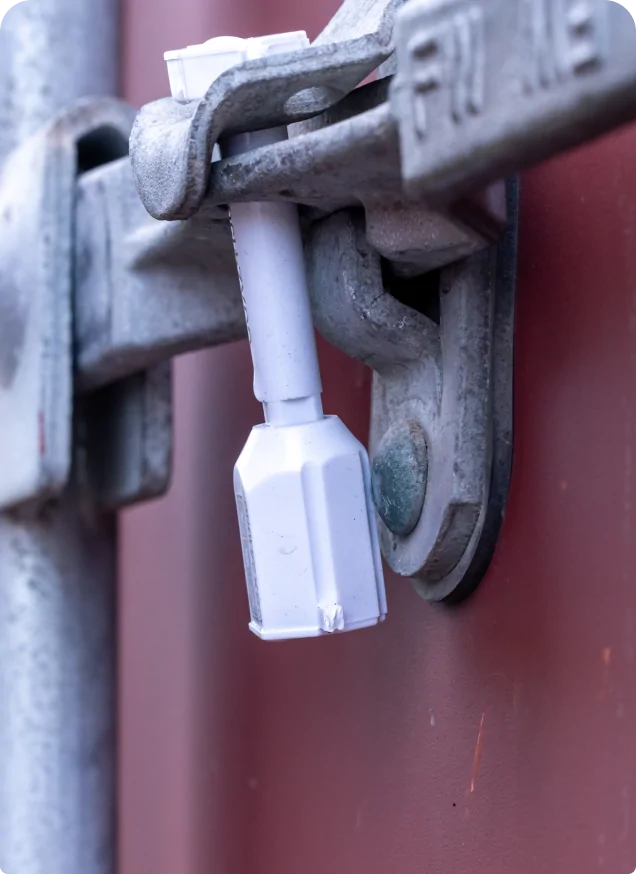
We minimize your expenses through smart free time planning and demurrage control. We meticulously monitor all port charges to prevent any unexpected financial costs for your business.
 ?>
?>
Cargo Security Control
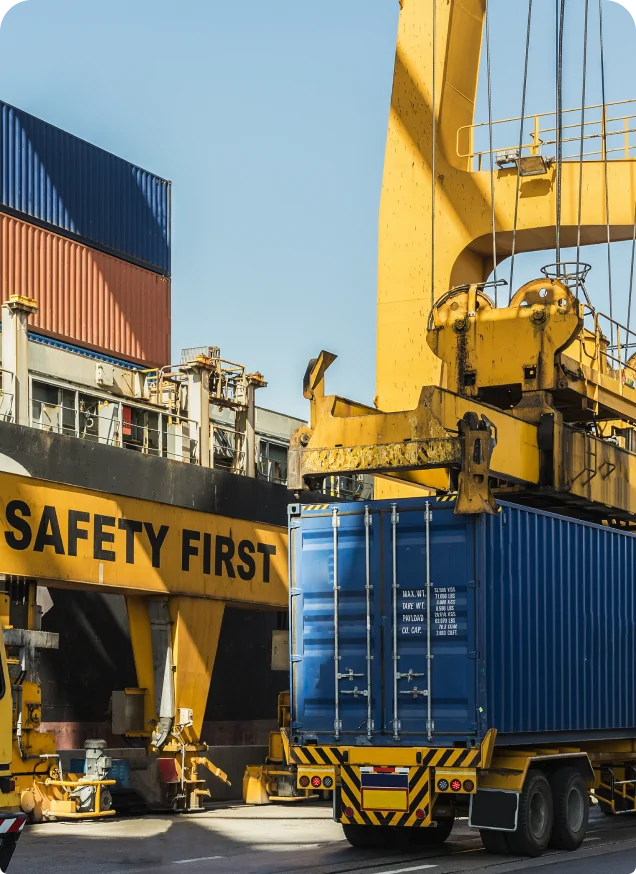
We strictly supervise loading, securing, and sealing processes. Our team verifies the container’s technical condition to guarantee the integrity of your goods throughout the entire journey.
 ?>
?>
Port and Terminal Operations
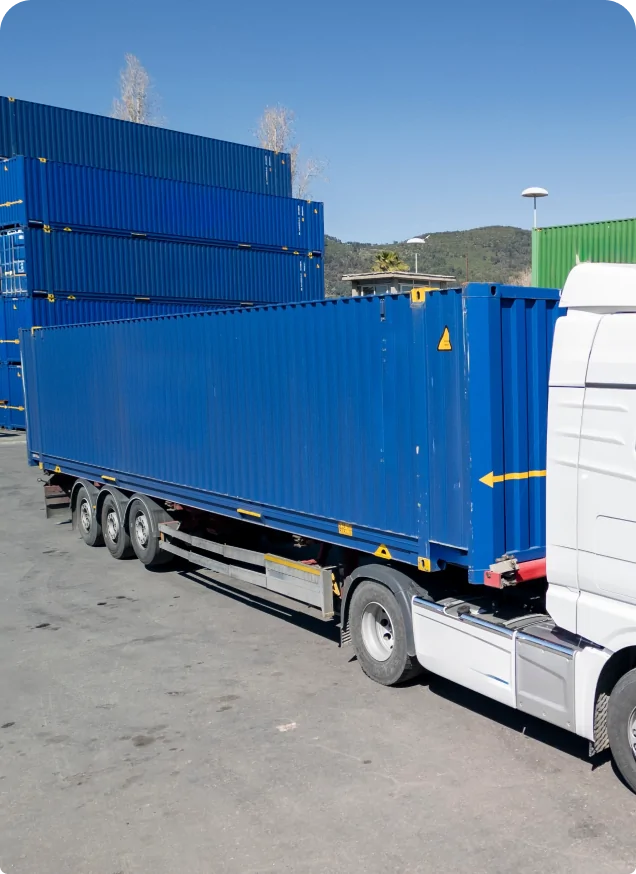
We professionally coordinate port activities to avoid delays. Our expertise ensures rapid completion of terminal procedures, significantly accelerating the overall international delivery process.
 ?>
?>
Door-to-Door Delivery
We organize seamless logistics from the port to your warehouse via road or rail. You receive the container directly at its destination without any unnecessary transshipment hassles.
 ?>
?>
Transit Time Monitoring
We provide transparent scheduling and proactive status updates. Constant container tracking allows your business to accurately forecast shipments and maintain optimal inventory levels.
FCL Delivery
FCL (Full Container Load), or full container delivery, is a transportation format where the entire space of the container belongs to only one customer, even if it is not fully loaded. After loading, the container is sealed at the sender’s warehouse and opened only at the destination.
This logistics model is applied in maritime or rail transport, as well as for international delivery under multimodal transport schemes. FCL is the standard solution for large regular shipments, especially when maintaining a stable temperature regime is critically important.
Advantages of FCL Delivery for Business
Choosing FCL cargo delivery provides the customer with a number of advantages:
- full control over the container and a guarantee of no unwanted proximity to cargo from other senders;
- predictable logistics — strict adherence to schedules without delays at consolidation warehouses;
- lower unit cost for large volumes — the larger the batch, the more favorable the freight per unit of goods;
- fast processing — the cargo does not require storage in a warehouse waiting for consolidation but is directed immediately via a direct route (sender – port – recipient);
- maximum security — the container is sealed once and opened only at the destination.
What to choose — full container transportation or the consolidated cargo format (LCL)? The comparative table below will help you decide:
| Criterion | FCL | LCL |
| Cargo Volume | Large batches from 15 m³ | Small cargo from 1 m³ |
| Cost | Fixed price for the entire container (freight), often cheaper for large volumes | Payment only for actual volume, more profitable for small goods |
| Delivery Time | Faster (no stops for consolidation) | Longer |
| Storage Conditions | Possibility of precise control, e.g., temperature in a reefer | Standard conditions, harder to ensure a specific regime for a single pallet |
Ekol specialists on FCL: “This is a personal highway for your cargo, which eliminates unnecessary stops and guarantees the integrity of every unit of goods.”
Types of Containers in FCL
Various types of containers are used for FCL transportation:
- 20’ DV (Dry Van) – universal volume of about 33 $m^3$, for heavy loads (metal, stone, industrial goods);
- 40’ DV – volume of about 67 $m^3$, for bulky goods (furniture, appliances, textiles);
- 40’ HC (High Cube) – compared to standard ones, it has a greater height (2.9 m), for tall equipment;
- Reefer (refrigerated) – a container with a cooling unit.
Such variety allows for the selection of the optimal solution for transporting different types of cargo.
The FCL Delivery Organization Process
The organization of FCL delivery by Ekol follows an established algorithm:
- Selection of container and route taking into account the specifics of the cargo.
- Loading. The company uses its own trucks or other transport to deliver the cargo to the warehouse where loading takes place.
- Dispatch of the container and providing the customer with a tracking number to monitor the cargo in real-time.
- Comprehensive customs clearance and support through customs.
- Delivery to the client’s warehouse or to final distribution points.
A reliable carrier is a guarantee that complex transit will turn into a clear and stable process. Choose the express approach from Ekol to get a favorable rate on logistics services and ensure the uninterrupted movement of goods.

CUSTOMER REVIEWS
What Our Partners Say
More than 500 companies trust Ekol with their freight transportation—here’s what they have to say
“
Ekol’s FCL service provided us with security and predictability: a dedicated container, an optimal route, and comprehensive logistics support. Risks were minimized, and the cargo arrived intact. We recommend them as a reliable partner.
“
We regularly ship FCL containers with Ekol and are always confident in the results. Delivery times are consistent, port transshipment coordination is seamless, and the paperwork is in order. No surprises. We’re satisfied with our partnership and highly recommend them.
“
A full container with Ekol means peace of mind that your cargo will remain intact throughout the entire journey. The route is carefully planned, the service is comprehensive, and tracking is transparent. Ideal for large shipments. We recommend this team to our industry colleagues.
500+
satisfied customers
4.9/5
average rating
98%
on-time deliveries
15+
years in the market
FAQ
1
What are the benefits of FCL delivery for business?
2
What containers are used for FCL shipments?
Most often standard 20- and 40-foot, 40’ HC (high), and reefers.
3
How to organize FCL delivery from China or Europe?
The easiest way is through Ekol. Leave a request, and our specialists will organize everything “turnkey.”
4
How long does FCL sea delivery take?
The timeframe depends on the port of departure.

Volodymyr
Business development manager

Anna
Business development manager
Our industries
Industry solutions
We adapt logistics to the realities of each industry: we automate processes, introduce innovations, and accelerate development.

Food products
Learn more
Temperature control, traceability, compliance with quality standards and reliable delivery to retail and HoReCa

Humanitarian projects
Learn more
Flexible logistics in crisis conditions – fast, transparent, safe, in accordance with international standards

FMCG
Learn more
Stable supply, optimization of logistics costs, inventory rotation and readiness for promotional demand
Fashion Retail
Learn more
Quick launch of collections, adaptation to seasonality, full control of logistics.
